Showing posts with label weight. Show all posts

Sunday, January 24, 2016

Wish I had known them before: Hypopressives

Forget the crunches and really work that core

What are hypopressive techniques (HT)?

HT consist of a series of techniques that, through a sequence of different postures and movements, contract your diaphragm during exhalation, resulting in a negative pressure inside your thoracic and pelvic cavities. In other words, you suck in your guts while exhaling so that the intra-abdominal pelvic pressure is reduced. 
Piti Pinsach
When you exhale, your rib cage usually contracts, but when performing a hypopressive technique, the opposite happens. That's why the intra-abdominal pressure is reduced. Apnea (suspension of breathing) is then maintained for some seconds in order to stimulate a reflex concentric contraction of the core and pelvic floor muscles.

Why are hypopressives better than traditional ab exercise?

Photo: thevoicenotes.com
The key element is the REFLEX CONCENTRIC CONTRACTIONS. While most ab exercises, including Pilates, involve VOLUNTARY CONTRACTIONS and increase intra-abdominal pressure, hypopressives work just the other way round.

This difference is of outmost importance because both, pelvic floor and abdominal muscles, are mainly formed by type I (involuntary) fibers. Therefore, training should focus on these fibers, which are only stimulated by reflex contractions.

Unfortunately, traditional ab exercises, which are hyperpressive (they increase thoracic and pelvic pressure), can even be harmful.

Why are traditional ab exercises detrimental?

Photo: mutusystem.com
The strengthening of the voluntary muscle fibers that occurs through traditional exercises is directly proportional to the deactivation of the involuntary ones. As a result, traditional exercise weakens core and pelvic tone, which in turn leads to:
·       
Photo: nyboneandjoint.com
             urinary incontinence
·         prolapses
·         painful sexual relations
·         back problems like lumbago
·         esthetic issues such as abdominal flaccidity or swollen stomach

This fact was proved in 2007 by Caufriez, the founder of hypopressives. During a 6-week study, 16 women performed traditional ab exercises 45 minutes twice a week. The researchers found a 32.7% decrease in base pelvic floor tone, demonstrating not only the ineffectiveness of such exercises but also showing their prejudicial effects.

Benefits of hypopressives

Waist slimmer & ab toner

pinterest.com
HT increase abdominal and pelvic base tone, which in turn decreases waist girth and leads to a flat, hard midsection.

A 2007 study showed that 20 min of daily HT for 6 months reduces waist circumference by 6%.

A 2014 study showed that an acute 20 min session of hypopressives significantly reduces waist circumference while increasing thoracic amplitude and peak expiratory flow.

HT are especially challenging on the transverse and oblique abdominal muscles, and therefore provide a complete and tough workout that will get you those flat abs and slim waist in a few weeks (provided your fat percentage is low enough. You can spot tone, but not spot reduce so make sure you're also getting your cardio in.)

youqueen.com

Not only do they flatten your abs but they will also respect your vertebral column and won't strain your lumbar spine. While the risks of traditional exercises outweigh the benefits, with HP it's just the other way: all advantages with no drawbacks.

Ameliorates urinary incontinence (UI) issues

Urinary incontinence (UI) is a common issue among female athletes who aren't even aware that they suffer from a condition that negatively impacts their performance.

A 2002 study showed that 32% of British and French women, 34% of German women and 15% of Spanish women had suffered symptoms of UI during the 30 days prior to the study. Females are more likely to undergo UI because of menopause and pregnancy.

The increased base tone that HT provide translates into a better and faster control of your urinary tract, which reduces the risk of involuntary leakages. This occurs thanks to the repositioning of the bladder and the improvements in pelvic strength.
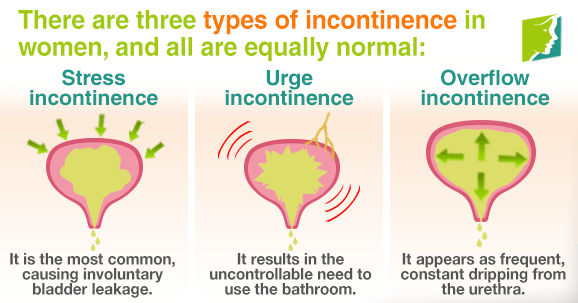
Photo: 34-menopause-symptoms.com
In a 2007 study, 100 women with poor pelvic tone and urinary incontinence performed 20 min of HP everyday for 6 months, resulting in an increase in pelvic floor tone by 58% and in shock absorption capacity by 48%. Furthermore, there was a 20% increment in contractile muscle strength and a significant 6% reduction in waist girth.
Photo: twaamc.com
That same year, another study found akin results when a group of adults, average 68.5 years old, performed HT 4 times per week for 6 months, resulting in an increase of basal tone by 23.5%,  of loading tone by 25.3% and of perineal blocking during exertion by 108,4%. HT effectively solved UI in both sexes as 85.7% of cases were decreased or even disappeared.

In 2010 yet another study reinforced the aforementioned results: UI was significantly reduced in an intergroup study of 126 subjects, average 43 years old, who practiced HT daily for 30 minutes 3 times a week during 3 months. On the other hand, the Pilates and control groups showed no improvement.


Better sex life

The pelvic muscles are intimately linked with sexual function, especially in women. Followers of this technique claim to experiment an increase in desire, sensation and control during the sexual practice. This may be due to the increased blood flow and genital sensitivity and a decrease in pelvic congestion.


Stay tuned because in a few days I will upload a post expounding on this topic.


Improved physical performance

HT effectively work the diaphragm and the respiratory muscles. Not only do you acquire a deeper awareness of your body and diaphragm, but your pulmonary, thoracic and diaphragmatic capacities will be dramatically increased. A toned, flexible diaphragm will translate into a better physical performance, especially in aerobic activities.
Photo: yogadonk.com


Photo: fragmenthealth.com
HT involve a phase of apnea, which results in a high oxygen desaturation (decrease in blood oxygen). Studies have shown that after apnea, blood acidosis is reduced and oxidative damage is no longer produced. The same study concluded that apnea can be used to increase tolerance to hipoxemia (low oxygen levels).

Is not that what any athlete would want? To be able to put in a brilliant performance in spite of the oxygen deficit?

Other studies report that HP increase hematocrit, the volume percentage of erythrocytes in blood. Red blood cells are in charge of transporting oxygen to your cells. More red blood cells mean more oxygen carrying capacity and more oxygen delivery to your muscles translate into better physical performance, especially in endurance sports. Many athletes even try to increase their oxygen levels through banned practices like taking Erythropoietin.

Photo: americasblood.org
Studies to definitively prove the reduction in cellular acidosis, the regression in oxidative damage and the increase in hematocrit are still in progress. It is speculated that these effects are the result of reflex splenic contraction or an increment in erythropoietin.

Other studies pending of publication will show a reduced pre-competition anxiety and an augment in self-confidence.

Improvements in posture and biomechanics also account for the improvements in performance.


Back health and balance

The abdominal vacuum and negative pressure in our abdominal cavity cause a traction effect on the vertebral discs which can be extremely therapeutic, especially in the lumbar region, when combined with other postural exercises.

Photo: gimnasia-hipopresiva.com
HT is known to reduce lumbar pain by decompressing the vertebral discs through the reduction in pressure and the axial traction. Lumbago, dorsalgia and other back issues usually lessen or even disappear in the short term.
Photo: drnekessaremy.com/

A 2007 study showed the benefits of doing HP for 10 weeks 1hour per week:
·         -Reposition of the plumb line (better posture)
·         -Decrease in lumbar lordosis (99. 9%)
·         -Reduction in cervical lordosis (99.8%)
·         -Decrease in dorsal kyphosis (99.5%)
·         -Decrease in scoliosis (96%).
·         -Improved postural comfort: better mobility and flexibility, less pain, and feeling lighter (95%).

The positive impact on the lower back and limb flexibility was tested in a 2009 study on patients suffering from mechanical and postural low back pain. Through electromyography, which electrically records muscle and motor neuron activity, it was seen that a training program based on HT improves the internal and transverse oblique activation time, therefore increasing the force they can exert. Bear in mind that not only do these muscles rotate the torso, but they also support the rotation of the spine and stabilize the lower limbs.


Better posture

HT regulate muscle tone by diminishing the excess tone of some muscle groups while increasing the tone of those which lack it. It brings tonic posture equilibrium which translates into a better posture in just a few sessions.
Photo: cdn.lumobodytech.com


Treat and prevent hernias


Photo: medicinenet.com
Hernias are weak areas of a muscle or connective tissue through which an organ or fatty tissue protrudes

All hernias (inguinal, ventral, incisional, epigastric, femoral, pubalgia, umbilical, hiatal...) are caused by 2 factors:
·         -An increase in tension
·         -A weak tissue that easily breaks

HT increase core and pelvic strength and activation, which in turn can effectively cope with the high abdominal pressure that any kind of physical effort (even coughing) produce.


Visceral relocation and bye-bye prolapses

It also prevents internal organs from ''falling down''. Gravity, weight lifting and traditional abdominal exercises, push your guts downwards resulting in that typical stomach where the upper part is flat or even hollow but the lower abs look bloated.
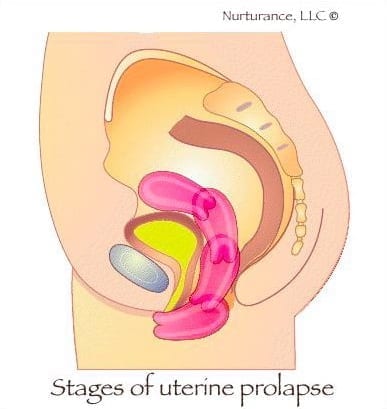
Photo: alignmentmonkey.nurturance.net
ingernder.com

The aspiration that HT involve reduces intra-abdominal pressure, which in turn has a suction effect on the pelvic organs, decreasing ligament tension and easily relocating the bladder, rectus and uterus within the abdominal cavity. This has been demonstrated through magnetic resonance imaging (MRI). Therefore, HT are effective in treating organ prolapses, whether uterine, anterior (bladder) or rectal.


Fight constipation

The typical American lacks fiber and exercise, which lead to constipation, which in turn produces intestinal issues like colon cancer. It is of outmost importance to have a plant-based diet and exercise regularly, but HT thanks to the negative abdominal pressure can accelerate bowel movements.


Improved respiratory function.
Photo: selfication.com

HT efficiently work your diaphragm, which plays a key role in breathing, as well as the muscles in charge of inhaling and exhaling, resulting in an improvement of respiratory (peak flow) parameters and respiratory conditions like asthma. This also leads to better sports performance.


Post-partum recovery

After pregnancy the body needs to recover its previous state by toning the core and reinstating pelvic floor rigidity. Unfortunately, it is very common for mothers to maintain abdominal and pelvic flabbiness after giving birth, which leads to poor vaginal muscle tone, unsatisfying sexual relations, flaccid stomach and urinary incontinence.


Say NO to depression

It is known that in order to prevent postpartum depression, an exercise program can be of great help to achieve a feeling of well-being, reduce anxiety and increase self confidence.

A recent study showed that:
• 90% of women had a negative image of their body after delivery

After an 8 week HT program:
• 89.48% felt harmony and a positive impact on their abs and 75% in their pelvic floor
• 64% increase in self-esteem
•40% reduction in anxiety
•32% reduction in cognitive anxiety
• 100% better posture and pain reduction.

In conclusion, HT enhance self-esteem and confidence during pregnancy and postpartum when hormonal changes and various emotional situations occur.

Better vascularization and venous return

During pregnancy, intra-abdominal pressure increases due to the expanding uterus, blood volume and other factors which contribute to the development of varicose veins in the legs and pelvis. HT is known to activate the musculature, ease venous return and improve lower limbs vascularization.
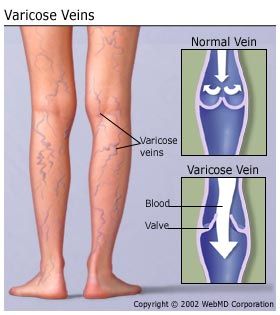
Photo: webmd.com

Scar and surgery healing

People who have undergone surgery or women who have had a cesarean section or episiotomy can benefit from HT as it diminishes myofascial tissue (tissue around the muscle) traction, aiding to heal tissue adhesions and scars.

Abdominal diastasis
Photo: mutusystem.com

Between 30 to 70% of women suffer from abdominal diastasis during and after pregnancy. 

Abdominal diastasis is defined as a separation of about 2.7 cm between the two sides of the ab muscle. During pregnancy the linea alba widens to make room for the baby and, although it should recover after delivery, more often than not it stays distended.

Photo: momsintofitness.com
This gap hinders the integrity and functionality of the ab muscles, causing low back pain and lumbo-pelvic instability. Not only is recovery essential for aesthetics (a broad linea alba leads to a protruding stomach) but it is also vital for maintaining good posture and motor efficiency.

Thanks to the strong respiratory and postural action that HT derive, the core gains back its stability and is able to function again as a corset.

A 2014 study showed that after a 3-month program of weekly HT in 44 women (average age of 45.6) diastaisis is significantly decreased (1.1 cm).

Moreover, the Spanish Association of Physiotherapists (AEF) recommends HT for post-partum recovery. There is a plethora anecdotal evidence of health professionals, midwives and physiotherapists, who advise these exercises and corroborate their benefits. 


Photo: sportlife.com

References


''Abdominal Efficiency and Rectus Separation.'' International Journal of Medical Pharmaceutical Science and Engineering. 7(1), 44-48. 


"About." Hypopresive Techniques. Accessed January 24, 2016. http://hypopresives.com/about.


Apelle R., Bourcier A., Latorre F. (1998). Pelvic floor dysfunction. Roma: Scientific Internacionale. 


Amostegui, J. (1999). Incontinencia Urinaria en la mujer deportista: fisioterapia. Archivos de Medicina del Deporte. 16, (74): 639-645.


''Benefits and basic principles.'' Low Pressure Fitness. 

Bernardes et al. "Efficacy of Pelvic Floor Muscle Training and Hypopressive Exercises for Treating Pelvic Organ Prolapse in Women: Randomized Controlled Trial." Sao Paulo Med. J. Sao Paulo Medical Journal 130, no. 1 (2012): 5-9. PubMed.

Caufriez, M., Fernández-Domínguez, J.C., Fanzel, R. & Snoeck, T. (2006). Efectos de un programa de entrenamiento estructurado de Gimnasia Abdominal Hipopresiva sobre la estática vertebral cervical y dorsolumbar. Physiotherapy. 28(4), 205-16.

Caufriez, M., Fernandez, D., Esparza., S; Schulmann,. D. (2007) Estudio del tono de
base del tejido músculo-conjuntivo del suelo pélvico en el postparto tras reeducación
abdominal clásica. Fisioterapia. 29 (3):133-8.

Caufriez M. (1993). Thérapies Manuelles et instrumentales en Uro-gynécologie. Tome 1. Bruxelles: MC Editions. 

Caufriez M.(1998) Measurements of pelvic floor function in perineal reeducation. Publications of international conference on the pelvis floor. Montreal. 

Caufriez, M. , Pinsach, P., Fernández, J.C. (2010). Abdominaux et Perinée, Mithes et Realitées,MC Editions, Mallorca. 

Caufriez M., Fernández J., Deman C., Wary-Thys C., (2007). Contribución al estudio sobre el tono del Suelo Pélvico. Prog Obstet Ginecol.50, (5):282-91. 

Caufriez M., Fernández-Domínguez J.., Fanzel R., Snoeck T., (2006) .Efectos de un programa de entrenamiento estructurado de Gimnasia Abdominal Hipopresiva sobre la estática vertebral cervical y dorsolumbar. Fisioterapia, 28,(4): 205-16.

Esparza, S. (2002). Efecto de la gimnasia abdominal hipopresiva en el tratamiento y prevención de la incontinencia urinaria de esfuerzo. En: 
Espuña M (coord.) I congreso nacional sobre disfunción del suelo pelviano. Barcelona: Ediciones Mayo; 89-91. 

Espuña, M; Rebollo, P; Puig, M.( 2004) validación de la versión española del International Consultation on Incontinence Questionnaire-Short form. Un cuestionario para evaluar la incontinencia urinaria” Med Clin , Barcelona ,122 ( 8 ): 288-92. 

Fernández, C. (2007). Gimnasia Abdominal Hipopresiva en la 3º edad. Congreso franco español del suelo pelvico y pelviperineología. San Sebastian. Galindo, T.,

Espinoza, A. (2009). Programa de ejercicio en lumbalgia mecanopostural. Revista mexicana de medicina física y rehabilitación. 21: 11-19.

Healthline Medical Team. "External Oblique Muscle Origin, Function & Definition." Healthline. November 4, 2014.

Hunskaar, S., Lose, et al. (2003) Prevalence of Stress Urinary Incontinence in Women in Four European Countries, 2002. ICS: UK. 

Jácome, Cristina, Daniela Oliveira, Alda Marques, and Pedro Sá-Couto. "Prevalence and Impact of Urinary Incontinence among Female Athletes." International Journal of Gynecology & Obstetrics, 2011, 60-63. 

Joulia, F., Steinberg, J., Faucher, M., Jamin, T., Ulmer, C., Kipson, N., & Jammes, Y. (2003). Breath-hold training of humans reduces oxidative stress and blood acidosis after static and dynamic apnea. Respiratory Physiology & Neurobiology, 137, 19-27.

Junquera Landeta, Mikel. "GIMNASIA ABDOMINAL HIPOPRESIVA: BENEFICIOS Y PRINCIPIOS BÁSICOS DE REALIZACIÓN." Fisioterapia Online.

Junquera Landeta, Mikel. ''¿POR QUÉ NO HACER EJERCICIOS ABDOMINALES Y SI HIPOPRESIVOS?''. Fisioterapia online.

Latorre, G., Seleme, M., Resende, A.P., Stüpp, L. y Berghmans, B. (2011). Hipopressive gymnastics: evidences for an alternative training for women with local proprioceptive deficit of the pelvic floor muscles. Fisioterapia Brasil, 12(6), 463-466.

Pinsach, and Rial. "Hipopresivos: Preguntas Y Respuestas." Low Pressure Fitness. May 6, 2014.

Pinsach, Rial, Caufriez, Fernandez, Devroux, and Ruiz. "HYPOPRESSIVES, A PARADIGM CHANGE." COPLEFC. 

Pinsach, P. (2010). Técnicas Hipopresivas, origen, evolución y aplicación práctica. Abstracts. III Congreso Internacional de Ciencias del Deporte y Educación Física. Pontevedra 

Quintana, A. (2014). Práctica de 12 semanas de ejercicios hipopresivos por un grupo de practicantes de fitness. Pte de publicar.

Rett, M.T., Knicker, M., Bernardes, N., Andrade, S. (2009). Prevalence of diastasis of the rectus abdominis muscles immediately postpartum: comparison between primiparae and multiparae. Rev Bras Fisioter., 13(4), 275-80. 

Rial, and Villanueva. "Conceptual Approach to Low Pressure Fitness." Low Pressure Fitness.

Rial T. (2013). Efectos de la gimnasia hipopresiva en la incontinencia urinaria de la mujer adulta. Facultad de Ciencias de la Educación y el Deporte. Departamento de Didácticas Especiales. Universidad de Vigo. Tesis Doctoral. 

Rial, T. y Pinsach, P. (2010). Entrenamiento abdominal e incontinencia urinaria. VI Congreso Internacional de la Asociación de Ciencias del Deporte, Elche: Alicante. 

Rial, T., Ribeiro, L., Garcia, E. & Pinsach. P. (2013). Efectos inmediatos de una sesión de ejercicios hipopresivos en diferentes parámetros corporales. Cuestiones de Fisioterapia, 43(1), 13-21.

Rial, T.; Chulvi-Medrano, I.; Fernández, T. HEMATOLOGICAL RESPONSES OF DIAPHRAGMATIC ASPIRATION ON SPLENECTOMIZED SUBJECT. A CASE STUDY. (2014). Universidad Católica San Antonio De Murcia.

Rial, T., Chulvi-Medrano, I. , Pinsach, P., Navarro, I. "Yes: Low Pressure Fitness Reduce Belly Circumference!" Department of Special Didactics, University of Vigo, 2014.

Rial. ''HOW TO IMPROVE ABDOMINAL DIASTASIS WITH LOW PRESSURE FITNESS ?'' Low Pressure Fitness.

Rial. "WHAT ARE THE ADVANTAGES TO CARRYING OUT LOW PRESSURE FITNESS (LPF) PROGRAM DURING POSTPARTUM?" Low Pressure Fitness.

Snoeck T, Philipot A, Caufriez M, Balestra C. (2009) .Incidence de l´Aspiration diaphragmatique associée à une apnée expiratoire sur la circulation de retour veineuse fémorale: étude par écho-doppler. Kinésithérapie scientifique, 502 : 27-30.

Soriano-Segarra, M.L. (2014). Efecto de la Gimnasia Abdominal Hipopresiva sobre el tono del suelo pélvico y otros parámetros antropométricos y funcionales relacionados con el riesgo cardiovascular en mujeres. Facultad de Ciencias de la Actividad Física y el Deporte. Universidad de Castilla la Mancha. Tesis Doctoral.

Soriano-Segarra, M.L., Corbí, B., & González-Millán, C. (2012) Valoración subjetiva de las mujeres tras un trabajo de Gimnasia Abdominal Hipopresiva. I Primeras Jornadas Nacionales de Psicología del Deporte de la UCAM: Murcia.

Thyl, S., Aude, P., Caufriez, M., Balestra, C. (2009). Incidence of l´aspiration diaphragmatique associée à unites apnée expiratoire south the circulation of retour veineuse fémorale: étude even échographie-doppler. Kinésithérapie scientifique, 502, 27-30. 

Valancogne, G., Caufriez, M., de Gasquet, B., Gullarme, L., Dumont, P. (2001). Reéducation perineologique et pressions dans lénceinte manométrique abdominoperinéales. Congrés de la SIFUD. Lyon.

Saturday, January 9, 2016

The truth about Stevia

There are many advocates of Stevia who make claims about its wonderful health benefits. On the other side there are plenty of people who are suspicious of this new superfood. But... what does the science say? Keep reading to discover the truth and myths of stevia.

Stevia is a plant, native to Brazil and Paraguay, whose steviol glycosides are about 250-300 times sweeter than sugar. The stevia leaves contain some vitamins, including A, B, and C; minerals, such as iron, zinc, calcium, magnesium, sodium and potassium, proteins, fiber and other elements.

The sweet molecules are obtained by soaking the ground, dried leaves in water and then separating the  best-tasting compounds to later purify them. The final product is molecularly identical to the steviol glycosides of the stevia leaves, but its taste is more similar to sugar. There are many steviol glycosides, including rebaudioside C, dulcoside A, rebaudioside B and steviolbioside, which only differ in the number and ordering of sugar molecules attached to the same steviol backbone. However, the main ones are stevioside and rebaudioside A.

There are a number of diseases affected by stevia:

DIABETES

This plant might help in the treatment of diabetics given the fact that several have found that some steviol glycosides lower glucose production in the nephrons (kidney tubules) and decrease blood glucose in type 2 diabetics. Nevertheless, an 8-week rebaudioside A treatment did not show these effects in the type 2 diabetic rats.

A 2000 study concluded that rebaudioside A can stimulate insulin production, and thus be useful in the treatment of type 2 diabetes mellitus.

A 2008 study of 122 humans revealed that long-term use of rebaudioside A does not affect blood glucose levels or blood pressure in type 2 diabetics. That same year, another study reached the same conclusion when 72 people, healthy or with type 1 or 2 diabetes, consumed 250 mg of steviol glycosides 3 times per day for 3 months without altering blood glucose levels. 

Aqueous stevia extracts, not the commercial kind, have been shown to increase glucose tolerance and decrease blood glucose in healthy individuals. Likewise, 91 mg of orally taken stevioside with a meal lowered blood glucose and glucagon in type 2 diabetics. 

Moreover, stevioside and steviol stimulate pancreatic β-cells to secrete insulin and, therefore, may be beneficial to counteract high levels of blood glucose in the treatment of type 2 diabetics.
epimigrant.eu
The fact that it has no calories and does not increase blood glucose or trigger an insulin response may be due to the fact that steviol glycosides pass through most of the gastrointestinal tract unchanged. It is not until they reach the colon when the gut flora break down steviol glycosides into steviol and glucose units. The former is metabolized by the liver and excreted through the urine, leaving no accumulation of any byproduct of stevia.


BLOOD PRESSURE

agritech.tnau.ac.in
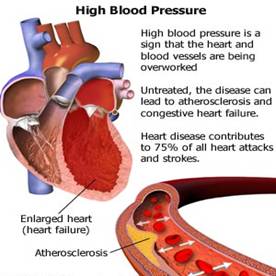
Several studies have found that stevia lowers blood pressure while increasing urine and sodium secretion in rats. Another study showed that it also dilates blood vessels of animals with normal and high blood pressure. While stevioside in dogs had hypotensive effects, another study indicated that rebaudioside A had no effect on blood pressure in rats.

Of outmost importance is a 2006 study that suggested that isosteviol inhibits angiotensin-II and endothelin-1. The former is a substance your body naturally creates that narrows your blood vessels, leading to hypertension. The latter is a gen whose expression creates a vasoconstrictor and can even be a carcinogen. Therefore, isosteviol may have beneficial effects on the cardiovascular system and prevent tumorigenesis.

In humans, the effects of stevioside on blood pressure are controversial. Several studies showed that rebaudioside A has no effect on blood pressure in patients with normal and high blood pressure. 

However, another study showed that patients with hypertension could decrease both their systolic and diastolic blood pressure by consuming 250 mg of stevioside 3 times daily for 1 year. Yet another study found no effect on blood pressure when administering a high dose of stevioside for 6 weeks.


ANTIBACTERIAL, ANTIFUNGAL AND ANTIVIRAL

It is a strong antibacterial that fights against a plethora of pathogenic bacteria, including some Escherichia coli strains. One study reported its beneficial effects on reducing dental plaque. It might be effective against Candida albicans and has been shown to posses some antirotavirus activity.


IMMUNOMODULATOR

Stevioside has been shown to enhance the immune system response and to decrease inflammation both in cells and mice, treated and not treated with an immunosuppressive drug.


ANTICANCER AND ANTIOXIDANT PROPERTIES

A 2002 mice study indicated that stevioside, rebaudiosides A and C, and dulcoside A  significantly inhibit inflammation, contain anti-tumor effects, pose no risk to diabetics and did not produce any abnormality. There are other studies which showed the same anticancer effect.
flavonjamblog.files.wordpress.com
A few months ago, steviolbioside was found to effectively suppress human hepatic, breast and pancreatic cancer cells. The study concluded that the remarkable inhibition of breast carcinogenesis ''makes steviolbioside a potential remedy for human breast cancer''.
wisegeek.com

Stevia contains a substantial number of triterpenes, polyphenols, flavonoids, and tannins, all antioxidant compounds. Some of its flavonoids include kaempferol, quercetin, apigenin, chlorogenic acid, caffeic acid, luteolin, isoquercitrin, and isosteviol, which are even commercialized as health supplements. 

Moreover, kaempferol has been shown to reduce pancreatic cancer by 23%. 

Given its considerable antioxidant potential, stevia protects against DNA damage, free radicals and all the issues caused by them.


PREGNANCY

Rebaudioside A has been tested in rats for 2 generations and had no effects on gestation lengths or growth.


BUT... IS IT TOXIC?

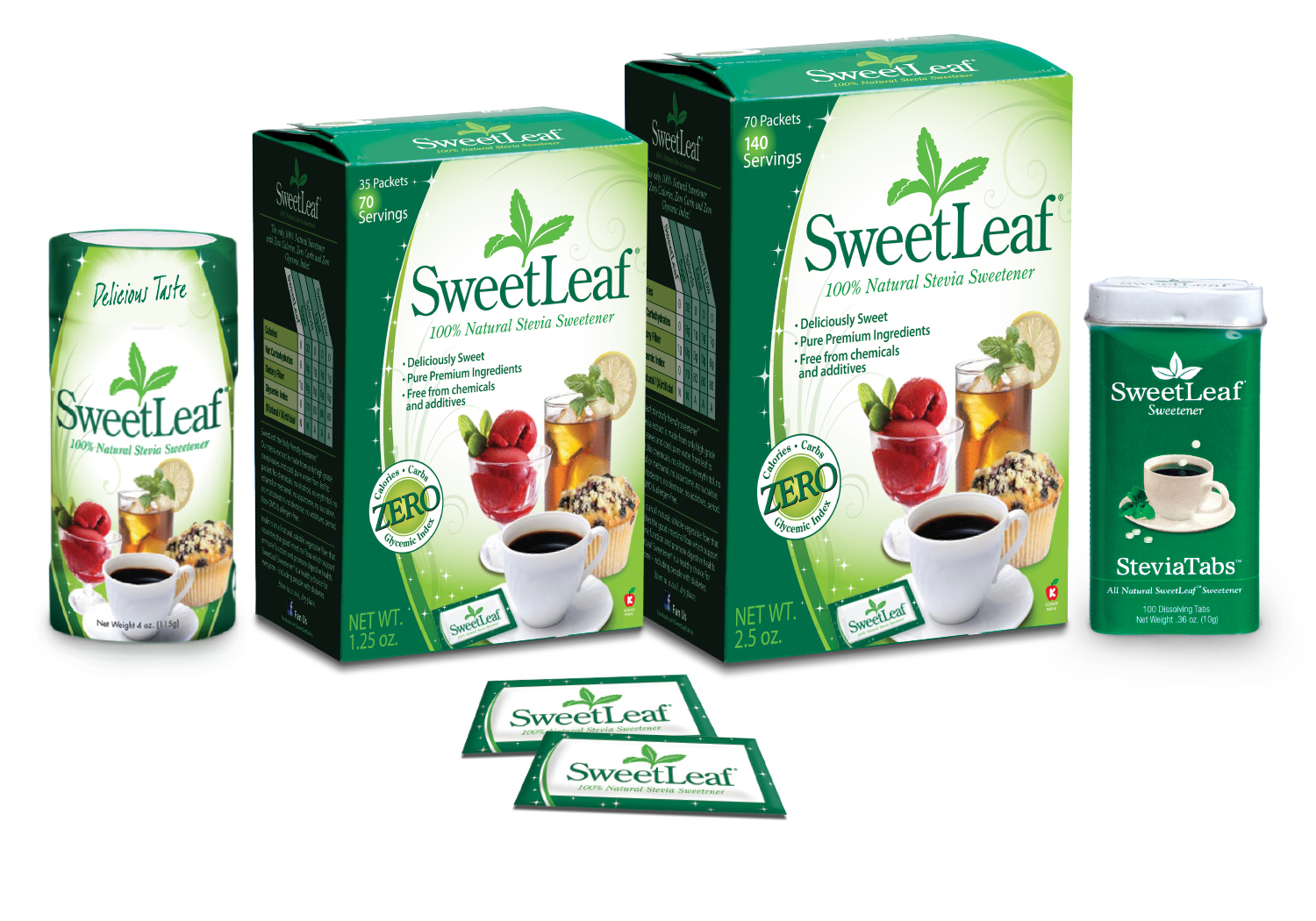
In 1991, stevia was banned due to concerns that it might cause cancer. Four years later you could buy it as a food supplement and, in 2008, it was “Generally Recognized as Safe” (GRAS) and the Acceptable Daily Intake (ADI) was set at 4 mg of steviol per kg of body weight, thanks to corporate sponsoring. Now you can buy Coca Cola’s Truvia, Pepsi’s PureVia, or Wisdom Natural Brand’s SweetLeaf everywhere.
prweb.com
equalpurevia.com
foodnavigator-usa.com
As a result, many people have worried about its toxicity for decades. These concerns are well-grounded if we take into consideration the background of the brands that sell us Stevia. Nevertheless, this might be one of the few exceptions were these big corporations are not marketing a downright harmful product.

In 1996, a Japanese study found that stevioside was transformed by gut bacteria into a toxic compound, steviol, which is highly mutagenic. However, a 2010 study indicated that PROVIDED you stay within the ADI, this will not have any effect on your health.

On the other hand, there are plenty of studies which show that it is not genotoxic or mutagenic, neither in vitro or in vivo, in acute or chronic administration, in males or females, in low or extremely high doses.


CONCLUSION

As a general rule of thumb, the more whole plant foods you eat, the better. If sometimes you feel like adding an extra sweetness to your meal, I would opt for Stevia as it is calorie free, natural, nontoxic and even provides some health benefits.

flickr.com
I highlight the need for eating WHOLE PLANTS and developing a taste for them. Our society has become too accustomed to sugar and I believe we need to ''detoxify'' our taste receptors from so much sweetness.


With that being said, there is a food you can eat everyday to satisfy your sweet tooth: FRUITS! They are the most tasty, nutritious, health-promoting, hydrating food you could ever eat!


References

Abudula, Reziwanggu, Per Bendix Jeppesen, Stig Eric D. Rolfsen, Jianzhong Xiao, and Kjeld Hermansen. "Rebaudioside A Potently Stimulates Insulin Secretion from Isolated Mouse Islets: Studies on the Dose-, Glucose-, and Calcium-dependency." Metabolism 53.10 (2004): 1378-381. Web. 7 Jan. 2016.

Barriocanal LA, Palacios M, Benitez G, et al. Apparent lack of pharmacological effect of steviol glycosides used as sweeteners in humans. A pilot study of repeated exposures in some normotensive and hypotensive individuals and in type 1 and type 2 diabetics. Regul Toxicol Pharmacol . 2008:51(1);37-41.

Boonkaewwan C, Toskulkao C, Vongsakul M. Anti-inflammatory and immunomodulatory activities of stevioside and its metabolite steviol on THP-1 cells. J Agric Food Chem . 2006;54(3):785-789.

Boonkaewwan C, Ao M, Toskulkao C, Rao MC. Specific immunomodulatory and secretory activities of stevioside and steviol in intestinal cells. J Agric Food Chem . 2008;56(10):3777-3784.

Chan P, Tomlinson B, Chen YJ, Liu JC, Hsieh MH, Cheng JT. A double-blind placebo-controlled study of the effectiveness and tolerability of oral stevioside in human hypertension. Br J Clin Pharmacol . 2000;50(3):215-220.

Chen, Jun-Ming, Li Ding, Xiao-Chen Sui, Yong-Mei Xia, Hui-Da Wan, and Tong Lu. "Production of a Bioactive Sweetener Steviolbioside via Specific Hydrolyzing Ester Linkage of Stevioside with a β-galactosidase." Food Chemistry 196 (2015): 155-60. Web. 9 Jan. 2016.

Curi R, Alvarez M, Bazotte RB, Botion LM, Godoy JL, Bracht A. Effect of Stevia rebaudiana on glucose tolerance in normal adult humans. Braz J Med Biol Res . 1986;19(6):771-774.

Curry LL, Roberts A, Brown N. Rebaudioside A: two-generation reproductive toxicity study in rats. Food Chem Toxicol . 2008;46(suppl 7):S21-S30.

Dyrskog SE, Jeppensen PB, Colombo M, Abudula R, Hermansen K. Preventative effects of a soy-based diet supplemented with stevioside on the development of the metabolic syndrome and type 2 diabetes in Zucker diabetic fatty rats. Metabolism . 2005;54(9):1181-1188.

Dyrskog SE, Jeppensen PB, Chen J, Christensen LP, Hermansen K. The diterpene glycoside, rebaudioside A, does not improve glycemic control or affect blood pressure after eight weeks treatment in the Goto-Kakizaki rat. Rev Diabet Stud . 2005;2(2):84-91.

Ferri LA, Alves-Do-Prado W, Yamada SS, Gazola S, Batista MR, Bazotte RB. Investigation of the antihypertensive effect of oral crude stevioside in patients with mild essential hypertension. Phytother Res . 2006;20(9):732-736.

Ghanta S, Banerjee A, Poddar A, Chattopadhyay S. Oxidative DNA damage preventative activity and antioxidant potential of Stevia rebaudiana (Bertoni) Bertoni, a natural sweetener. J Agric Food Chem . 2007;55(26):10962-10967.

Gregersen S, Jeppesen PB, Holst JJ, Hermansen K. Antihyperglycemic effects of stevioside in type 2 diabetic subjects. Metabolism . 2004:53(1):73-76.

Jacobson, Michael F. "FDA Issues Midnight Go-ahead for Potentially Harmful Stevia Sweetener." Center for Science in the Public Interest. 18 Dec. 2008. Web. 9 Jan. 2016.

Jeppesen, P.b., S. Gregersen, C.r. Poulsen, and K. Hermansen. "Stevioside Acts Directly on Pancreatic β Cells to Secrete Insulin: Actions Independent of Cyclic Adenosine Monophosphate and Adenosine Triphosphate—sensitivie K -channel Activity." Metabolism 49.2 (2002): 208-14. Web. 7 Jan. 2016.

Klongpanichpak S, Temcharoen P, Toskulkao C, Apibal S, Glinsukon T. Lack of mutagenicity of stevioside and steviol in Salmonella typhimurium TA 98 and TA 100. J Med Assoc Thai . 1997;80(suppl 1):S121-S128.

Lailerd N, Saengsirisuwan V, Sloniger JA, Toskulkao C, Henriksen EJ. Effects of stevioside on glucose transport activity in insulin-sensitive and insulin-resistant rat skeletal muscle. Metabolism . 2004:53(1):101-107.

Liu JC, Kao PK, Chan P, et al. Mechanism of the antihypertensive effect of stevioside in anesthetized dogs. Pharmacology . 2003;67(1):14-20.

Maki KC, Curry LL, Carakostas MC, et al. The hemodynamic effects of rebaudioside A in healthy adults with normal and low-normal blood pressure. Food Chem Toxicol . 2008;46(suppl 7):S40-S46.

Maki KC, Curry LL, Reeves MS, et al. Chronic consumption of rebaudioside A, a steviol glycoside, in men and women with type 2 diabetes mellitus. Food Chem Toxicol . 2008:46(suppl 7):S47-S53.

Matsui M, Matsui K, Kawasaki Y, et al. Evaluation of the genotoxicity of stevioside and steviol using six in vitro and one in vivo mutagenicity assays. Mutagenesis . 1996;11(6):573-579.

Melis MS. A crude extract of Stevia rebaudiana increases the renal plasma flow of normal and hypertensive rats. Braz J Med Biol Res . 1996;29(5):669-675.

Melis MS, Sainati AR. Effect of calcium and verapamil on renal function of rats during treatment with stevioside. J Ethnopharmacol . 1991;33(3):257-262.

Melis MS. Chronic administration of aqueous extract of Stevia rebaudiana in rats: renal effects. J Ethnopharmacol . 1995;47(3):129-134.

Muth, Natalie D. "The Truth About Stevia—The So-called "Healthy" Alternative Sweetener." The American Council on Exercise. 1 Sept. 2011. Web.

Nichols, Hannah. "What is stevia? What are the health benefits of stevia?." Medical News Today. MediLexicon, Intl., 29 Dec. 2014. Web. 9 Jan. 2016.

Nikiforov AI, Eapen AK. A 90-day oral (dietary) toxicity study of rebaudioside A in Sprague-Dawley rats. Int J Toxicol . 2008;27(1):65-80.

Oliveira-Filho RM, Uehara OA, Minetti CA, Valle LB. Chronic administration of aqueous extract of Stevia rebaudiana (Bert.) Bertoni in rats: endocrine effects. Gen Pharmacol . 1989;20(2):187-191.

Pezzuto JM, Compadre CM, Swanson SM, Nanayakkara D, Kinghorn AD. Metabolically activated steviol, the aglycone of stevioside, is mutagenic. Proc Natl Acad Sci U S A . 1985;82(8):2478-2482.

Pezzuto JM, Nanayakkara NP, Compadre CM, et al. Characterization of bacterial mutagenicity mediated by 13-hydroxy-ent-kaurenoic acid (steviol) and several structurally-related derivatives and evaluation of potential to induce glutathione S-transferase in mice. Mutat Res . 1986;169(3):93-103.

Pinheiro CE, de Oliveira SS, da Silva SM, Poletto MI, Pinheiro CF. Effect of guaraná and Stévia rebaudiana Bertoni (leaves) extracts, and stevioside, on the fermentation and synthesis of extracellular insoluble polysaccharides of dental plaque [in Portuguese]. Rev Odontol Univ Sao Paulo . 1987;1(4):9-13.

Sehar I, Kaul A, Bani S, Pal HC, Saxena AK. Immune up regulatory response of a non-caloric natural sweetener, stevioside. Chem Biol Interact . 2008;173(2):115-121.

Suttajit M, Vinitketkaumnuen U, Meevatee U, Buddhasukh D. Mutagenicity and human chromosomal effect of stevioside, a sweetener from Stevia rebaudiana Bertoni. Environ Health Perspect . 1993;101(suppl 3):53-56.

Takahashi K, Matsuda M, Ohashi K, et al. Analysis of anti-rotavirus activity of extract from Stevia rebaudiana . Antiviral Res . 2001;49(1):15-24.

Tomita T, Sato N, Arai T, et al. Bactericidal activity of a fermented hot-water extract from Stevia rebaudiana Bertoni towards enterohemorrhagic Escherichia coli O157:H7 and other food-borne pathogenic bacteria. Microbiol Immunol . 1997;41(12):1005-1009.

White JR Jr, Kramer J, Campbell RK, Bernstein R. Oral use of a topical preparation containing an extract of Stevia rebaudiana and the chrysanthemum flower in the management of hyperglycemia. Diabetes Care . 1994;17(8):940.

Wong K, Lin JW, Liu JC, et al. Antiproliferative effect of isosteviol on angiotensin-II-treated rat aortic smooth muscle cells. Pharmacology . 2006;76(4):163-169.

Yasukawa, Ken, Susumu Kitanaka, and Shujiro Seo. "Inhibitory Effect of Stevioside on Tumor Promotion by 12-O-Tetradecanoylphorbol-13-acetate in Two-Stage Carcinogenesis in Mouse Skin." Biol. Pharm. Bull. Biological & Pharmaceutical Bulletin 25.11 (2002): 1488-490. Web. 9 Jan. 2016.

Yamamoto NS, Kelmer Bracht AM, Ishii EL, Kemmelmeier FS, Alvarez M, Bracht A. Effect of steviol and its structural analogues on glucose production and oxygen uptake in rat renal tubules. Experientia . 1985;41(1):55-57.

Yasukawa K, Kitanaka S, Seo S. Inhibitory effect of stevioside on tumor promotion by 12-O-tetradecanoylphorbol-13-acetate in two-stage carcinogenesis in mouse skin. Biol Pharm Bull . 2002;25(11):1488-1490.


Yodyingyuad V, Bunyawong S. Effect of stevioside on growth and reproduction. Hum Reprod . 1991;6(1):158-165.

Saturday, January 2, 2016

Best and worst natural sweeteners

In response to the growing evidence on the detrimental effects of sugar on our health, people have turned to other alternatives which even claim to be beneficial. But... is it true? Is there really a difference between plain sugar, raw honey, organic agave or maple syrup? 

Continue reading to know all there is to natural sweeteners.

If we had to point out a single factor for the large numbers of people suffering from all kinds of chronic and degenerative diseases, it would be sugar. It has been related to aging, high triglycerides and low HDL "good" cholesterol, diabetes, stroke, heart attack, kidney failure, tooth decay, non-alcoholic fatty liver disease, metabolic dysfunction, cancer, depression, erectile dysfunction, and many others.
Photo: prevention.com

It is no surprise that these illnesses have become so common if we take into account that the average American triples or even quadruples the amount of sugar our liver can process without significant damage. 

Now the media present us with all sorts of ''healthy'' alternatives to the ''monster'' that is sugar. However, to really know if these options are better, first we need to understand why sugar is so bad in the first place. 

The guilty party is thought to be fructose, a simple sugar part of the sucrose (table sugar) molecule. If you want to know more about the hazards of fructose watch this webinar by the leading authority in the field: Dr. Robert Lustig, a pediatric endocrinologist at the University of California, San Francisco. (Side note: although fruits contain fructose, they do not have ANY detrimental effect on your health, quite the opposite.)
Photo: iquitsugar.com
I am sorry to say that natural sweeteners, raw honey, agave, brown sugar, etc., are sucrose just like sugar, and are therefore metabolized the same way. Your body does not make a distinction and the effects are mostly the same.

Take notice of the word 'mostly' because, even if al sweeteners share nearly all harmful effects, there are some differences. For instance, in the glycemic index (GI) which is how much a food spikes your blood sugar after ingestion. The lower the GI, the better as a high insulin spike is strongly associated with diabetes and obesity. Some sweeteners even contain antioxidant and antibacterial properties.
Photo: 4.bp.blogspot.com

Continue reading to know the reality about 11 common natural sweeteners ordered from worst to best: 

The worst place goes for...

Agave

Agave is usually marketed as a safe and natural alternative for health-conscious people. Nothing could be further from the truth.

Photo: gainesvillescene.com
In spite of its low GI (20), its fructose content is alarmingly high, ranging from 70 to 90%, while table sugar ''only'' has about 50%!! Given its low GI, you will not get a spike in blood sugar levels immediately, you will develop insulin resistance instead of the high fructose content, which is much worse. And that is not to mention the mineral depletion, hardening of the arteries, hypertension, liver inflammation, cardiovascular disease and obesity, all consequences of such high amounts of fructose.

Furthermore, its saponin contents are downright dangerous, especially for pregnant women. These saponins are toxic steroid derivatives that can disrupt red blood cells, causing diarrhea, vomiting and miscarriages.

On top of that, the process by which the agave root is converted into nectar is remarkably similar to the way corn starch is transformed into high fructose corn syrup.They are both highly chemical processes that use genetically modified enzymes, caustic acids, filtration chemicals and clarifiers. As you see it is all ''100% natural''.


Raw Cane Sugar
Photo: katiamis.files.wordpress.com

This is just sugar marketed as a healthy alternative. The composition is exactly the same as plain sugar, it does not matter if it is ''raw'' or ''organic''. Your body will not tell the difference and its detrimental effects are the same.

Yes, raw cane sugar is still better given the fact that it contains more antioxidants (see last table). Still, it is like choosing between having a finger cut or being punched in the eye, none of them are desirable.


Brown sugar

Again, not much different from plain sugar. This is because it IS refined white sugar with some molasses (see them below in the post) added back to it. It is a bit better than white sugar because some of its nutrients have been added back, but still they are in minuscule amounts. At least it contains much more antioxidants than white sugar (see last table).

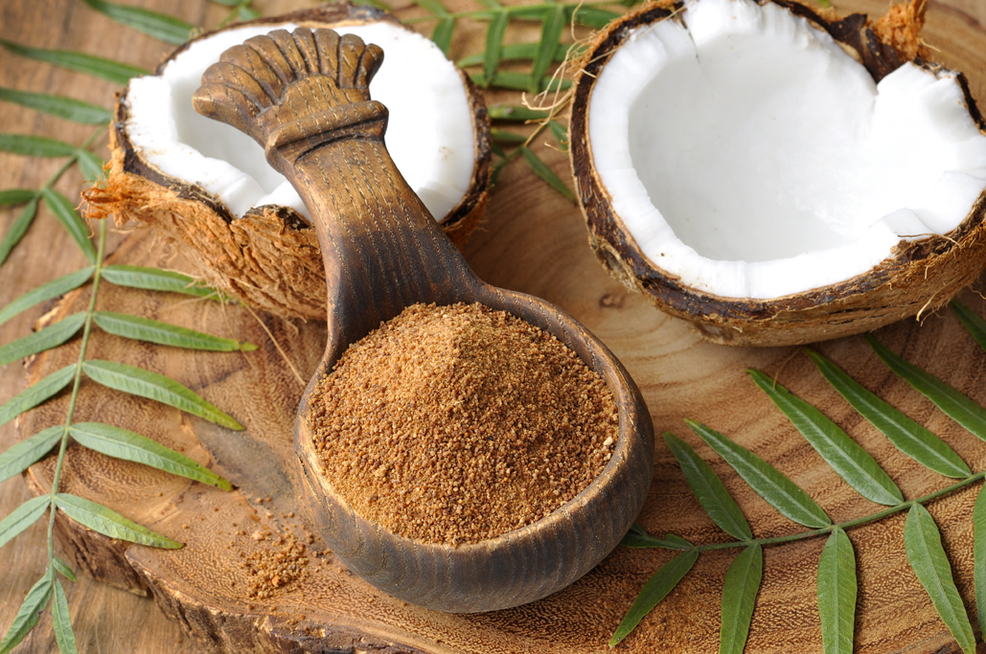
Coconut sugar

Photo: usesofcoconut
It is obtained by extracting and naturally dehydrating the sap of the coconut tree, therefore it is a minimally processed food.

It contains some nutrients like inulin (a prebiotic fiber), iron, calcium, zinc and potassium, short chain fatty acids, antioxidants and polyphenols.

Its GI is low (54), much more than that of sugar (60). However, it still contains a lot of fructose, which makes up the 35-45% of it.

Better than sugar? Yes.  A health food? Definitely not.


Brown rice syrup

This sweetener comes from exposing cooked rice starch to some enzymes that break it down into smaller sugars and then filtering the impurities. The resulting sugars are glucose molecules or chains of glucose, which also raise your blood sugar levels. In fact, its high GI (98) is one of the its major drawbacks as it is even higher than that of sugar.
Photo: gomacro.com

Another disadvantage of brown rice syrup is its arsenic content. Arsenic is a chemical that we eat in trace amounts daily. However, it can be a potential carcinogen in its inorganic form. A 2012 study found out that baby formula with brown rice syrup had 20 times more arsenic that the ones without it.
Although the FDA states that such low levels of arsenic are not harmful, its long-term effects are unknown. We should also bear in mind that the FDA defends the safety of high fructose corn syrup and soybean oil.

Yet another downside is its lacking in nutrients, so it is basically empty calories.

It does have a key advantage: it contains no fructose. As mentioned before, fructose is one the major issues with sugar because of the way it is metabolized. Fructose can only be processed by the liver, which turns it into fat and stores it, or delivers it to the blood rising your triglycerides. Both options result in all kinds of illnesses. On the other hand, all your cells can use glucose so it does not impair your health in such manner. (Side note: although fruits contain fructose, they do not have ANY detrimental effect on your health, quite the opposite.)

Maple syrup

It is a very natural sweetener obtained by boiling the sap of maple trees, which is collected by drilling a hole in the tree, and the filtering the impurities.
Photo: purecanadamaple.com
Photo: vtmapleproducts.com
There are different types of syrup depending on when the sap is harvested. The darker syrups are Grade B and they are collected later in the season. Grade A syrups are lighter, they do not contain as many minerals, vitamins and antioxidants, their flavor is not as strong and they are often more expensive.

Among its benefits, we find that it contains some minerals, especially manganese and zinc, but also calcium, iron, phosphorus, magnesium and potassium, and some B-vitamins.

It has a slightly lower GI (54) than sugar (65) the blood spike you get after eating it will be a bit smaller.

It also contains over 24 antioxidants, which are known to reduce oxidative damage, aging and disease by neutralizing free radicals. Maple syrup is still loaded with sugar and should only be consumed in moderation, but at least you will get an antioxidant load akin to eating a serving of nuts or berries.
Photo: organicfacts.net


Honey

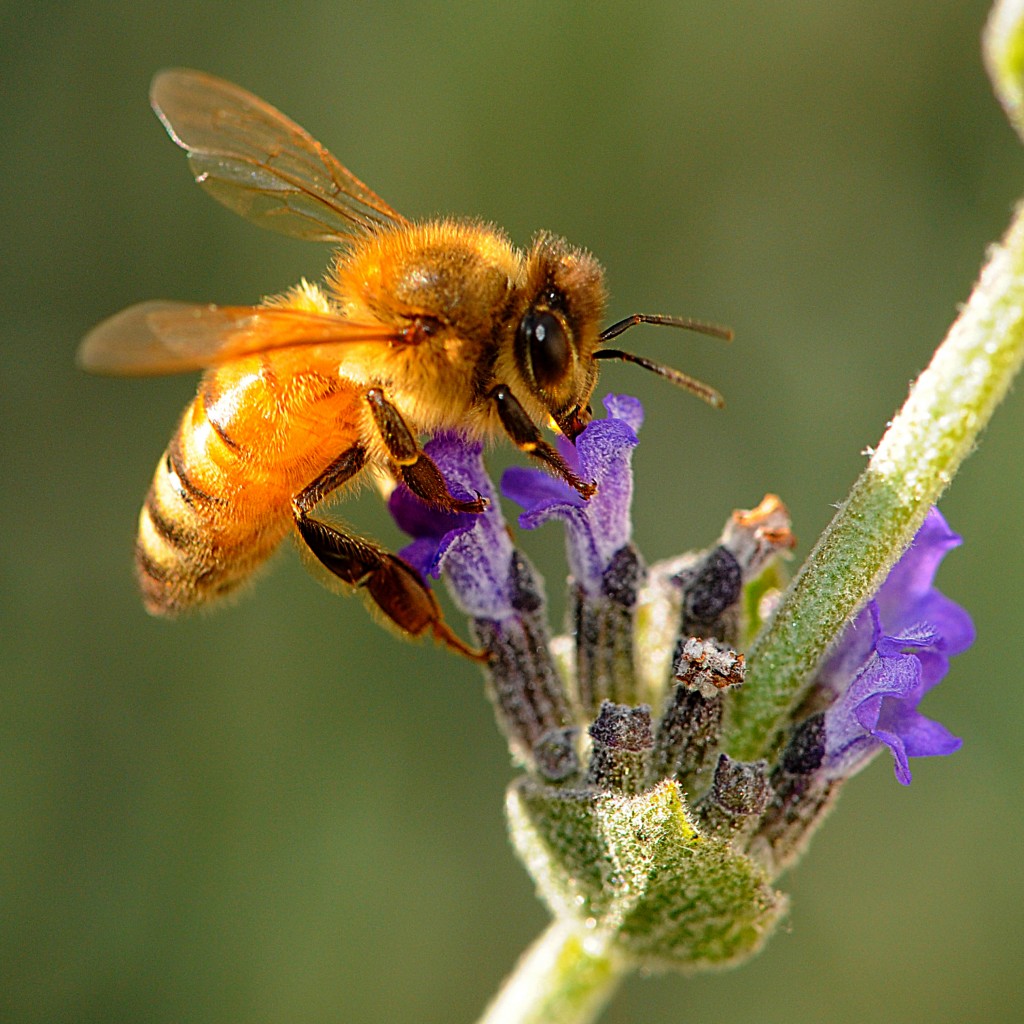
Honey bees collect nectar from flowers, chew on it, digest the complex carbohydrates converting them into sugars, and regurgitate the resulting paste into honeycombs. Thus, the nutritional properties of the honey depend on the flowers the bees extracted the nectar from. It normally contains iron, vitamin and calcium, while sugar has absolutely no nutritional value.
Photo: baringo.org

Several studies have shown the benefits of consuming honey:

Photo: pouted.com
A 2009 trial revealed that feeding honey to diabetics for 8 weeks decreases their weight, triglycerides and total cholesterol while increasing their HDL ''good'' cholesterol. Nevertheless, it also raised a marker of blood glucose levels so diabetics should be cautious.

A 2004 study in healthy, diabetic, and hyperlipidemic subjects showed that honey does not spike blood sugar as much as dextrose (glucose molecule) or sucrose (a glucose bound to a fructose molecule). They also found out that honey reduced C-Reactive Protein (CRP), which indicates inflammation, and Homocysteine, which is related to disease. Moreover, it decreased LDL ''bad'' cholesterol and triglycerides while raising HDL ''good'' cholesterol.

It also increases the serum antioxidant capacity of humans, which is the ability to neutralize free radicals, and, in rats, it leads to significantly lower oxidative stress, triglycerides and fat gain than sugar or fructose.

Photo: thumbs.dreamstime.com
Due to its anti-bacterial and anti-fungal properties, it is effective as a natural antiseptic (prevents the growth of bacteria) so it can be used to treat pimples. Its topical applications also include speeding the healing of wounds. It deodorizes wounds, contains antimicrobial properties and stimulates wound tissue. A 1992 study concluded that ''Honey is thus an ideal topical wound dressing agent in surgical infections, burns and wound infections.''

A 2003 randomized, double blind, placebo controlled study showed that honey even decreases pain after tonsillectomy, reducing the analgesic requirements.

The GI ranges from 58 to 87, also depending on the source. Make sure you buy raw wildflower honey as it will have the lowest GI and the highest nutritional and antioxidant properties.

Bare in mind that 82% of honey is sugar and 40% fructose, which, as we have discussed, are not beneficial at all.


The best options are...

Blackstrap molasses
Photo: igancure.com

This is the second best substitutes for sugar, which offers benefits without damaging your health and is even used as a health supplement. It is a by-product of the refining process of white sugar. The former is a thick syrup that contains all the nutritious value of the sugar cane:

  • essential minerals including iron, calcium, zinc, copper, selenium, magnesium, manganese, potassium, copper, phosphorous, cobalt, sodium and especially chromium.
  • B vitamins including niacin, pyridoxine, thiamine and riboflavin
  • antioxidant capacity
  • Lower GI than white sugar
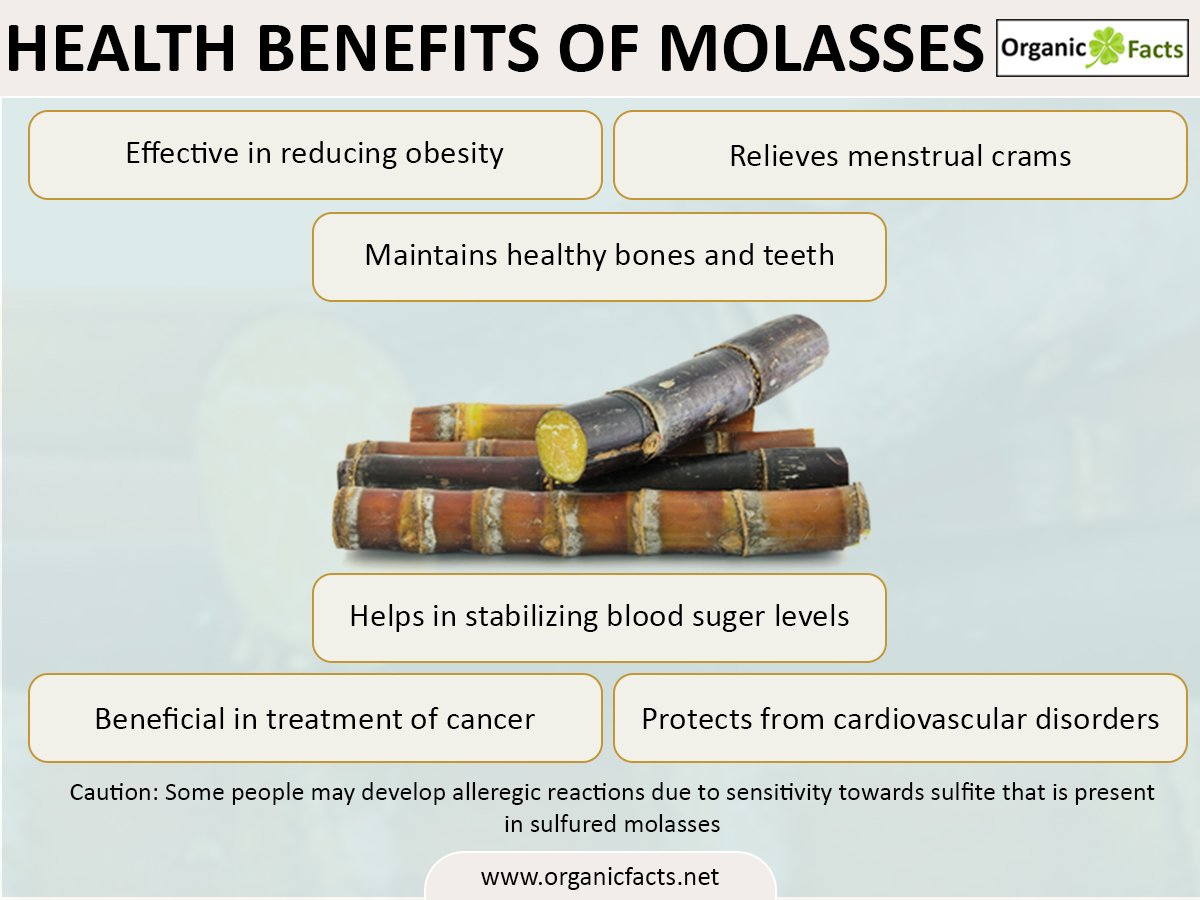
Photo: organicfacts.net

Date sugar

Photo: nuts.com
This is the healthiest natural sweetener as a 2009 study that looked at the 12 most popular sweeteners revealed (see last table).

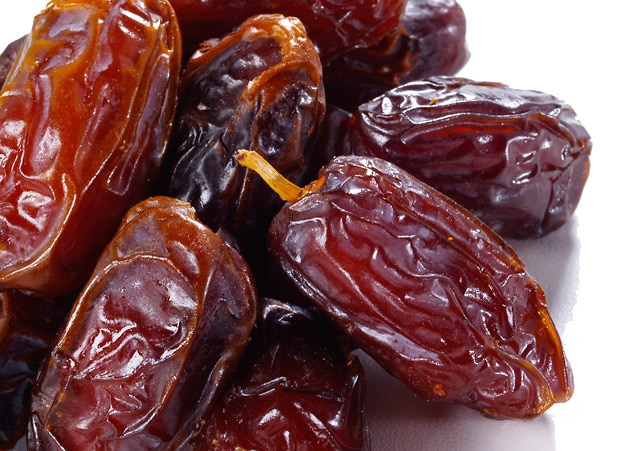
It is basically powdered dried dates so it retains all the nutrients and properties of the whole fruit, including fiber, magnesium, potassium and calcium.

Its GI remains unknown, but it should be close to that of dates which is lower than that of sugar.
Photo: s-media-cache-ak0.pinimg.com
Phillips, KM.; Carslen, MH.; and Blomhoff, R. "Total Antioxidant Content of Alternatives to Refined Sugar." American Dietetic Association. Elsevier Inc., 2009.

References and recommended reading

Abou-Zaid, M.M.; Nozzolillo, C.; Tonon, A.; Coppens, M.D.; and Lombardo, D.A. "High-performance Liquid Chromatography Characterization and Identification of Antioxidant Polyphenols in Maple Syrup." Canadian Forest Service Publications. Government of Canada, Natural Resources Canada, Canadian Forest Service, 2008. Web. 2 Jan. 2016.

Al-Waili, NS. "Natural Honey Lowers Plasma Glucose, C-reactive Protein, Homocysteine, and Blood Lipids in Healthy, Diabetic, and Hyperlipidemic Subjects: Comparison with Dextrose and Sucrose." National Center for Biotechnology Information. U.S. National Library of Medicine, 2004. Web. 2 Jan. 2016.

"Artificial Sweeteners and Other Sugar Substitutes." Nutrition and Healthy Eating. MAYO CLINIC, 20 Aug. 2015. Web. 31 Dec. 2015.

Bahrami, Mohsen, Asal Ataie-Jafari, Saeed Hosseini, Mohammad-Hossein Forouzanfar, Mazaher Rahmani, and Mohammad Pajouhi. "Effects of Natural Honey Consumption in Diabetic Patients: An 8-week Randomized Clinical Trial." International Journal of Food Sciences and Nutrition CIJF Int. J. of Food Sc. & Nutrition 60.7 (2009): 1-9. Taylor & Francis. Web. 2 Jan. 2016.

Boroumand, Peyman, Mohammad Mahdi Zamani, Masoumeh Saeedi, Omid Rouhbakhshfar, Seyed Reza Hosseini Motlagh, and Fatemeh Aarabi Moghaddam. "Post Tonsillectomy Pain: Can Honey Reduce the Analgesic Requirements?" Anesth Pain Anesthesiology and Pain Medicine 3.1 (2013): 198-202. National Center for Biotechnology Information. U.S. National Library of Medicine. Web. 2 Jan. 2016.

Eckelkamp, Stephanie. "The Ultimate Ranking Of The 9 Most Popular Natural Sweeteners." Prevention. 21 Feb. 2015. Web. 31 Dec. 2015.

Efem, S. E. E., and C. I. Iwara. "The Antimicrobial Spectrum of Honey and Its Clinical Significance." Infection 20.4 (1992): 227-29. Springer Link. Web. 2 Jan. 2016.

Fallon Morell, Sally, and Nagel, Rami. "Agave Nectar: Worse Than We Thought." The Weston A. Price Foundation. 1 May 2009. Web. 31 Dec. 2015.

Gheldof, Nele, Xiao-Hong Wang, and Nicki J. Engeseth. "Buckwheat Honey Increases Serum Antioxidant Capacity in Humans." J. Agric. Food Chem. Journal of Agricultural and Food Chemistry (2003): 1500-505. ACS Publications. American Chemical Society. Web. 2 Jan. 2016.

Gheldof, N; Wang, XH; and Engeseth, NJ. "Identification and Quantification of Antioxidant Components of Honeys from Various Floral Sources." National Center for Biotechnology Information. U.S. National Library of Medicine, 9 Oct. 2002. Web. 2 Jan. 2016.

Gunnars, Kris. "10 Disturbing Reasons Why Sugar Is Bad For You." Authority Nutrition. 30 July 2015. Web. 31 Dec. 2015.

Gunnars, Kris. "6 Healthy Sugars That Can Harm You." Authority Nutrition. 2 Dec. 2015. Web. 31 Dec. 2015.

Gunnars, Kris. "Brown Rice Syrup: Good or Bad?" Authority Nutrition. 1 July 2015. Web. 2 Jan. 2016.

"Health Benefits of Molasses." Organic Facts. Organic Information Services Pvt Ltd., 19 Jan. 2013. Web. 31 Dec. 2015.

Heid, Markham. "You Asked: What's the Healthiest Sweetener?" Time. 24 Dec. 2014. Web. 31 Dec. 2015.

Holtcamp, Wendee. "Suspect Sweetener: Arsenic Detected in Organic Brown Rice Syrup." Environmental Health Perspectives. National Institute of Environmental Health Sciences, 1 May 2012. Web. 2 Jan. 2016.

Jull AB, Rodgers A, Walker N. "Honey as a Topical Treatment for Wounds." National Center for Biotechnology Information. U.S. National Library of Medicine, 8 Oct. 2008. Web. 2 Jan. 2016.

Kam, Katherine. "Sugar Health Effects: Is Refined Sugar Bad For You?" WebMD. 29 Aug. 2011. Web. 31 Dec. 2015.

Nemoseck TM, Carmody EG, Furchner-Evanson A, Gleason M, Li A, Potter H, Rezende LM, Lane KJ, Kern M. "Honey Promotes Lower Weight Gain, Adiposity, and Triglycerides than Sucrose in Rats." National Center for Biotechnology Information. U.S. National Library of Medicine, 2011. Web. 2 Jan. 2016.

Phillips, Katherine M.; Carslen, Monica H.; and Blomhoff, Rune. "Total Antioxidant Content of Alternatives to Refined Sugar." American Dietetic Association. Elsevier Inc., 2009. Web. 2 Jan. 2016.

Pope, Sarah. "Natural Sweeteners Video by Sarah Pope." The Weston A. Price Foundation. 29 July 2011. Web. 31 Dec. 2015.

Ravensthorpe, Michael. "The Health Benefits of Blackstrap Molasses." NaturalNews. 6 Nov. 2013. Web. 31 Dec. 2015.

"Questions & Answers: Arsenic in Rice and Rice Products." U.S. Food and Drug Administration. 11 Feb. 2015. Web. 2 Jan. 2016.