Showing posts with label food safety. Show all posts

Saturday, January 9, 2016

The truth about Stevia

There are many advocates of Stevia who make claims about its wonderful health benefits. On the other side there are plenty of people who are suspicious of this new superfood. But... what does the science say? Keep reading to discover the truth and myths of stevia.

Stevia is a plant, native to Brazil and Paraguay, whose steviol glycosides are about 250-300 times sweeter than sugar. The stevia leaves contain some vitamins, including A, B, and C; minerals, such as iron, zinc, calcium, magnesium, sodium and potassium, proteins, fiber and other elements.

The sweet molecules are obtained by soaking the ground, dried leaves in water and then separating the  best-tasting compounds to later purify them. The final product is molecularly identical to the steviol glycosides of the stevia leaves, but its taste is more similar to sugar. There are many steviol glycosides, including rebaudioside C, dulcoside A, rebaudioside B and steviolbioside, which only differ in the number and ordering of sugar molecules attached to the same steviol backbone. However, the main ones are stevioside and rebaudioside A.

There are a number of diseases affected by stevia:

DIABETES

This plant might help in the treatment of diabetics given the fact that several have found that some steviol glycosides lower glucose production in the nephrons (kidney tubules) and decrease blood glucose in type 2 diabetics. Nevertheless, an 8-week rebaudioside A treatment did not show these effects in the type 2 diabetic rats.

A 2000 study concluded that rebaudioside A can stimulate insulin production, and thus be useful in the treatment of type 2 diabetes mellitus.

A 2008 study of 122 humans revealed that long-term use of rebaudioside A does not affect blood glucose levels or blood pressure in type 2 diabetics. That same year, another study reached the same conclusion when 72 people, healthy or with type 1 or 2 diabetes, consumed 250 mg of steviol glycosides 3 times per day for 3 months without altering blood glucose levels. 

Aqueous stevia extracts, not the commercial kind, have been shown to increase glucose tolerance and decrease blood glucose in healthy individuals. Likewise, 91 mg of orally taken stevioside with a meal lowered blood glucose and glucagon in type 2 diabetics. 

Moreover, stevioside and steviol stimulate pancreatic β-cells to secrete insulin and, therefore, may be beneficial to counteract high levels of blood glucose in the treatment of type 2 diabetics.
epimigrant.eu
The fact that it has no calories and does not increase blood glucose or trigger an insulin response may be due to the fact that steviol glycosides pass through most of the gastrointestinal tract unchanged. It is not until they reach the colon when the gut flora break down steviol glycosides into steviol and glucose units. The former is metabolized by the liver and excreted through the urine, leaving no accumulation of any byproduct of stevia.


BLOOD PRESSURE
agritech.tnau.ac.in
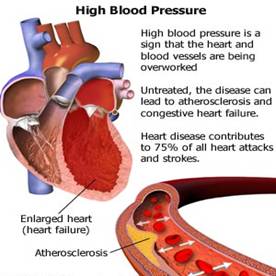
Several studies have found that stevia lowers blood pressure while increasing urine and sodium secretion in rats. Another study showed that it also dilates blood vessels of animals with normal and high blood pressure. While stevioside in dogs had hypotensive effects, another study indicated that rebaudioside A had no effect on blood pressure in rats.

Of outmost importance is a 2006 study that suggested that isosteviol inhibits angiotensin-II and endothelin-1. The former is a substance your body naturally creates that narrows your blood vessels, leading to hypertension. The latter is a gen whose expression creates a vasoconstrictor and can even be a carcinogen. Therefore, isosteviol may have beneficial effects on the cardiovascular system and prevent tumorigenesis.

In humans, the effects of stevioside on blood pressure are controversial. Several studies showed that rebaudioside A has no effect on blood pressure in patients with normal and high blood pressure. 

However, another study showed that patients with hypertension could decrease both their systolic and diastolic blood pressure by consuming 250 mg of stevioside 3 times daily for 1 year. Yet another study found no effect on blood pressure when administering a high dose of stevioside for 6 weeks.


ANTIBACTERIAL, ANTIFUNGAL AND ANTIVIRAL

It is a strong antibacterial that fights against a plethora of pathogenic bacteria, including some Escherichia coli strains. One study reported its beneficial effects on reducing dental plaque. It might be effective against Candida albicans and has been shown to posses some antirotavirus activity.


IMMUNOMODULATOR

Stevioside has been shown to enhance the immune system response and to decrease inflammation both in cells and mice, treated and not treated with an immunosuppressive drug.


ANTICANCER AND ANTIOXIDANT PROPERTIES

A 2002 mice study indicated that stevioside, rebaudiosides A and C, and dulcoside A  significantly inhibit inflammation, contain anti-tumor effects, pose no risk to diabetics and did not produce any abnormality. There are other studies which showed the same anticancer effect.
flavonjamblog.files.wordpress.com
A few months ago, steviolbioside was found to effectively suppress human hepatic, breast and pancreatic cancer cells. The study concluded that the remarkable inhibition of breast carcinogenesis ''makes steviolbioside a potential remedy for human breast cancer''.
wisegeek.com

Stevia contains a substantial number of triterpenes, polyphenols, flavonoids, and tannins, all antioxidant compounds. Some of its flavonoids include kaempferol, quercetin, apigenin, chlorogenic acid, caffeic acid, luteolin, isoquercitrin, and isosteviol, which are even commercialized as health supplements. 

Moreover, kaempferol has been shown to reduce pancreatic cancer by 23%. 

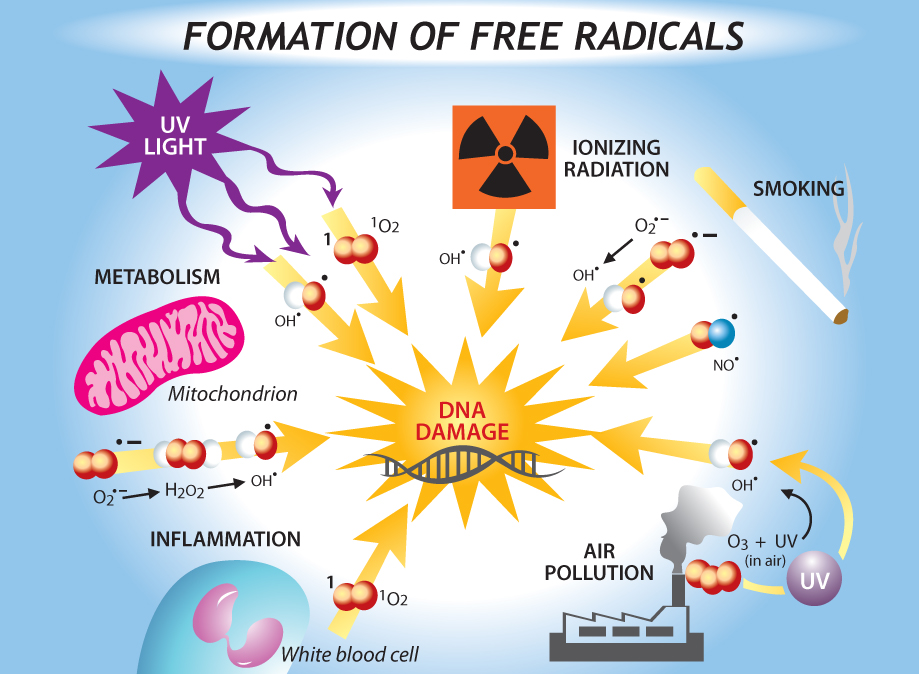
Given its considerable antioxidant potential, stevia protects against DNA damage, free radicals and all the issues caused by them.


PREGNANCY

Rebaudioside A has been tested in rats for 2 generations and had no effects on gestation lengths or growth.


BUT... IS IT TOXIC?

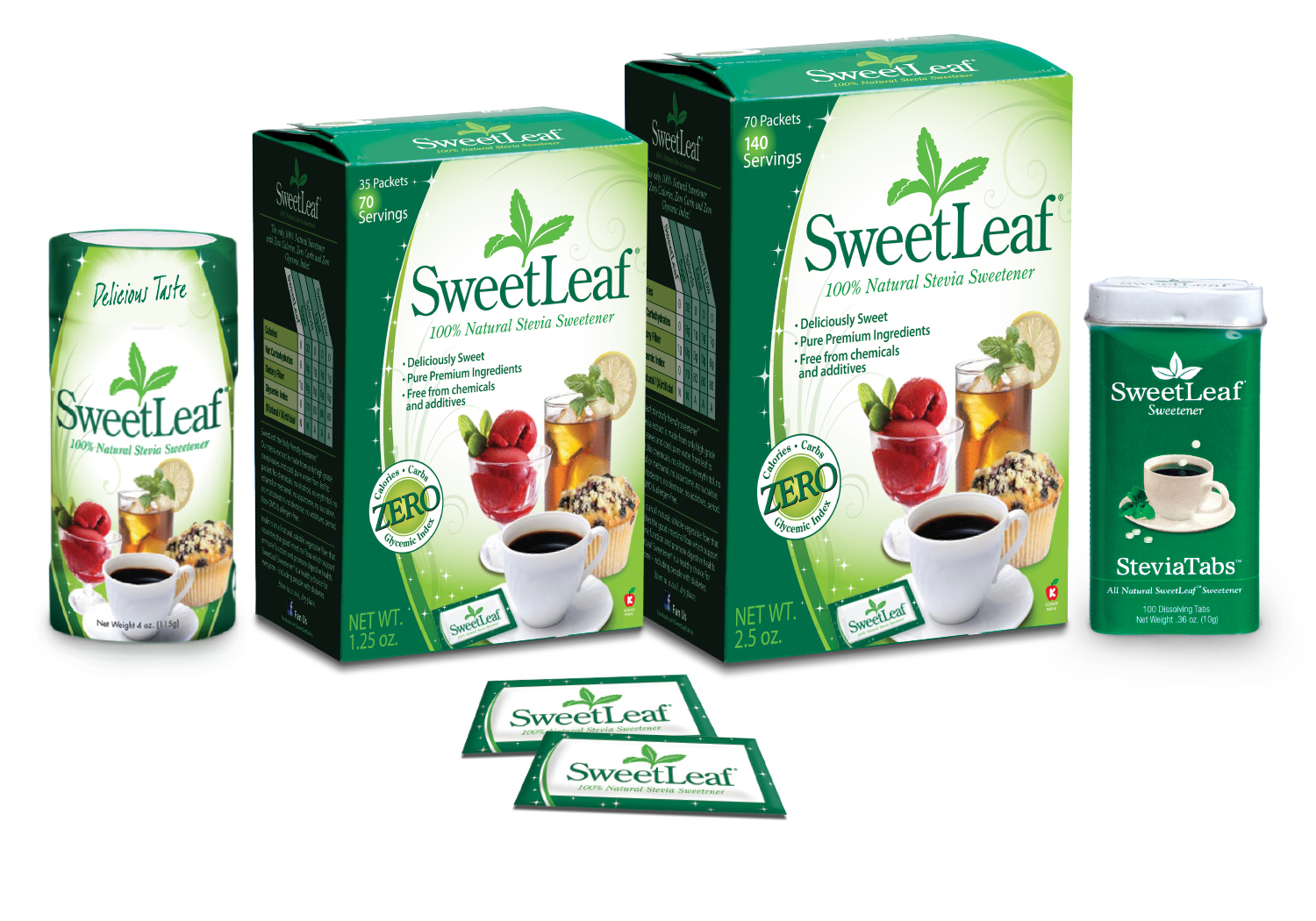
In 1991, stevia was banned due to concerns that it might cause cancer. Four years later you could buy it as a food supplement and, in 2008, it was “Generally Recognized as Safe” (GRAS) and the Acceptable Daily Intake (ADI) was set at 4 mg of steviol per kg of body weight, thanks to corporate sponsoring. Now you can buy Coca Cola’s Truvia, Pepsi’s PureVia, or Wisdom Natural Brand’s SweetLeaf everywhere.
prweb.com
equalpurevia.com
foodnavigator-usa.com
As a result, many people have worried about its toxicity for decades. These concerns are well-grounded if we take into consideration the background of the brands that sell us Stevia. Nevertheless, this might be one of the few exceptions were these big corporations are not marketing a downright harmful product.

In 1996, a Japanese study found that stevioside was transformed by gut bacteria into a toxic compound, steviol, which is highly mutagenic. However, a 2010 study indicated that PROVIDED you stay within the ADI, this will not have any effect on your health.

On the other hand, there are plenty of studies which show that it is not genotoxic or mutagenic, neither in vitro or in vivo, in acute or chronic administration, in males or females, in low or extremely high doses.


CONCLUSION

As a general rule of thumb, the more whole plant foods you eat, the better. If sometimes you feel like adding an extra sweetness to your meal, I would opt for Stevia as it is calorie free, natural, nontoxic and even provides some health benefits.
flickr.com
I highlight the need for eating WHOLE PLANTS and developing a taste for them. Our society has become too accustomed to sugar and I believe we need to ''detoxify'' our taste receptors from so much sweetness.


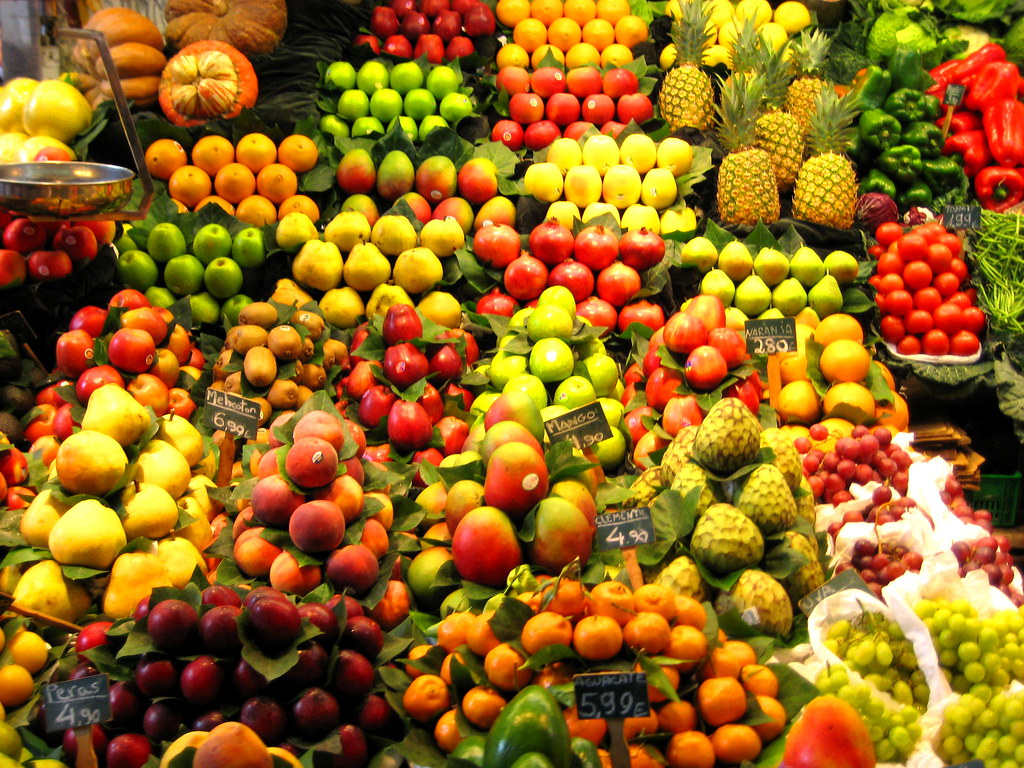
With that being said, there is a food you can eat everyday to satisfy your sweet tooth: FRUITS! They are the most tasty, nutritious, health-promoting, hydrating food you could ever eat!


References

Abudula, Reziwanggu, Per Bendix Jeppesen, Stig Eric D. Rolfsen, Jianzhong Xiao, and Kjeld Hermansen. "Rebaudioside A Potently Stimulates Insulin Secretion from Isolated Mouse Islets: Studies on the Dose-, Glucose-, and Calcium-dependency." Metabolism 53.10 (2004): 1378-381. Web. 7 Jan. 2016.

Barriocanal LA, Palacios M, Benitez G, et al. Apparent lack of pharmacological effect of steviol glycosides used as sweeteners in humans. A pilot study of repeated exposures in some normotensive and hypotensive individuals and in type 1 and type 2 diabetics. Regul Toxicol Pharmacol . 2008:51(1);37-41.

Boonkaewwan C, Toskulkao C, Vongsakul M. Anti-inflammatory and immunomodulatory activities of stevioside and its metabolite steviol on THP-1 cells. J Agric Food Chem . 2006;54(3):785-789.

Boonkaewwan C, Ao M, Toskulkao C, Rao MC. Specific immunomodulatory and secretory activities of stevioside and steviol in intestinal cells. J Agric Food Chem . 2008;56(10):3777-3784.

Chan P, Tomlinson B, Chen YJ, Liu JC, Hsieh MH, Cheng JT. A double-blind placebo-controlled study of the effectiveness and tolerability of oral stevioside in human hypertension. Br J Clin Pharmacol . 2000;50(3):215-220.

Chen, Jun-Ming, Li Ding, Xiao-Chen Sui, Yong-Mei Xia, Hui-Da Wan, and Tong Lu. "Production of a Bioactive Sweetener Steviolbioside via Specific Hydrolyzing Ester Linkage of Stevioside with a β-galactosidase." Food Chemistry 196 (2015): 155-60. Web. 9 Jan. 2016.

Curi R, Alvarez M, Bazotte RB, Botion LM, Godoy JL, Bracht A. Effect of Stevia rebaudiana on glucose tolerance in normal adult humans. Braz J Med Biol Res . 1986;19(6):771-774.

Curry LL, Roberts A, Brown N. Rebaudioside A: two-generation reproductive toxicity study in rats. Food Chem Toxicol . 2008;46(suppl 7):S21-S30.

Dyrskog SE, Jeppensen PB, Colombo M, Abudula R, Hermansen K. Preventative effects of a soy-based diet supplemented with stevioside on the development of the metabolic syndrome and type 2 diabetes in Zucker diabetic fatty rats. Metabolism . 2005;54(9):1181-1188.

Dyrskog SE, Jeppensen PB, Chen J, Christensen LP, Hermansen K. The diterpene glycoside, rebaudioside A, does not improve glycemic control or affect blood pressure after eight weeks treatment in the Goto-Kakizaki rat. Rev Diabet Stud . 2005;2(2):84-91.

Ferri LA, Alves-Do-Prado W, Yamada SS, Gazola S, Batista MR, Bazotte RB. Investigation of the antihypertensive effect of oral crude stevioside in patients with mild essential hypertension. Phytother Res . 2006;20(9):732-736.

Ghanta S, Banerjee A, Poddar A, Chattopadhyay S. Oxidative DNA damage preventative activity and antioxidant potential of Stevia rebaudiana (Bertoni) Bertoni, a natural sweetener. J Agric Food Chem . 2007;55(26):10962-10967.

Gregersen S, Jeppesen PB, Holst JJ, Hermansen K. Antihyperglycemic effects of stevioside in type 2 diabetic subjects. Metabolism . 2004:53(1):73-76.

Jacobson, Michael F. "FDA Issues Midnight Go-ahead for Potentially Harmful Stevia Sweetener." Center for Science in the Public Interest. 18 Dec. 2008. Web. 9 Jan. 2016.

Jeppesen, P.b., S. Gregersen, C.r. Poulsen, and K. Hermansen. "Stevioside Acts Directly on Pancreatic β Cells to Secrete Insulin: Actions Independent of Cyclic Adenosine Monophosphate and Adenosine Triphosphate—sensitivie K -channel Activity." Metabolism 49.2 (2002): 208-14. Web. 7 Jan. 2016.

Klongpanichpak S, Temcharoen P, Toskulkao C, Apibal S, Glinsukon T. Lack of mutagenicity of stevioside and steviol in Salmonella typhimurium TA 98 and TA 100. J Med Assoc Thai . 1997;80(suppl 1):S121-S128.

Lailerd N, Saengsirisuwan V, Sloniger JA, Toskulkao C, Henriksen EJ. Effects of stevioside on glucose transport activity in insulin-sensitive and insulin-resistant rat skeletal muscle. Metabolism . 2004:53(1):101-107.

Liu JC, Kao PK, Chan P, et al. Mechanism of the antihypertensive effect of stevioside in anesthetized dogs. Pharmacology . 2003;67(1):14-20.

Maki KC, Curry LL, Carakostas MC, et al. The hemodynamic effects of rebaudioside A in healthy adults with normal and low-normal blood pressure. Food Chem Toxicol . 2008;46(suppl 7):S40-S46.

Maki KC, Curry LL, Reeves MS, et al. Chronic consumption of rebaudioside A, a steviol glycoside, in men and women with type 2 diabetes mellitus. Food Chem Toxicol . 2008:46(suppl 7):S47-S53.

Matsui M, Matsui K, Kawasaki Y, et al. Evaluation of the genotoxicity of stevioside and steviol using six in vitro and one in vivo mutagenicity assays. Mutagenesis . 1996;11(6):573-579.

Melis MS. A crude extract of Stevia rebaudiana increases the renal plasma flow of normal and hypertensive rats. Braz J Med Biol Res . 1996;29(5):669-675.

Melis MS, Sainati AR. Effect of calcium and verapamil on renal function of rats during treatment with stevioside. J Ethnopharmacol . 1991;33(3):257-262.

Melis MS. Chronic administration of aqueous extract of Stevia rebaudiana in rats: renal effects. J Ethnopharmacol . 1995;47(3):129-134.

Muth, Natalie D. "The Truth About Stevia—The So-called "Healthy" Alternative Sweetener." The American Council on Exercise. 1 Sept. 2011. Web.

Nichols, Hannah. "What is stevia? What are the health benefits of stevia?." Medical News Today. MediLexicon, Intl., 29 Dec. 2014. Web. 9 Jan. 2016.

Nikiforov AI, Eapen AK. A 90-day oral (dietary) toxicity study of rebaudioside A in Sprague-Dawley rats. Int J Toxicol . 2008;27(1):65-80.

Oliveira-Filho RM, Uehara OA, Minetti CA, Valle LB. Chronic administration of aqueous extract of Stevia rebaudiana (Bert.) Bertoni in rats: endocrine effects. Gen Pharmacol . 1989;20(2):187-191.

Pezzuto JM, Compadre CM, Swanson SM, Nanayakkara D, Kinghorn AD. Metabolically activated steviol, the aglycone of stevioside, is mutagenic. Proc Natl Acad Sci U S A . 1985;82(8):2478-2482.

Pezzuto JM, Nanayakkara NP, Compadre CM, et al. Characterization of bacterial mutagenicity mediated by 13-hydroxy-ent-kaurenoic acid (steviol) and several structurally-related derivatives and evaluation of potential to induce glutathione S-transferase in mice. Mutat Res . 1986;169(3):93-103.

Pinheiro CE, de Oliveira SS, da Silva SM, Poletto MI, Pinheiro CF. Effect of guaraná and Stévia rebaudiana Bertoni (leaves) extracts, and stevioside, on the fermentation and synthesis of extracellular insoluble polysaccharides of dental plaque [in Portuguese]. Rev Odontol Univ Sao Paulo . 1987;1(4):9-13.

Sehar I, Kaul A, Bani S, Pal HC, Saxena AK. Immune up regulatory response of a non-caloric natural sweetener, stevioside. Chem Biol Interact . 2008;173(2):115-121.

Suttajit M, Vinitketkaumnuen U, Meevatee U, Buddhasukh D. Mutagenicity and human chromosomal effect of stevioside, a sweetener from Stevia rebaudiana Bertoni. Environ Health Perspect . 1993;101(suppl 3):53-56.

Takahashi K, Matsuda M, Ohashi K, et al. Analysis of anti-rotavirus activity of extract from Stevia rebaudiana . Antiviral Res . 2001;49(1):15-24.

Tomita T, Sato N, Arai T, et al. Bactericidal activity of a fermented hot-water extract from Stevia rebaudiana Bertoni towards enterohemorrhagic Escherichia coli O157:H7 and other food-borne pathogenic bacteria. Microbiol Immunol . 1997;41(12):1005-1009.

White JR Jr, Kramer J, Campbell RK, Bernstein R. Oral use of a topical preparation containing an extract of Stevia rebaudiana and the chrysanthemum flower in the management of hyperglycemia. Diabetes Care . 1994;17(8):940.

Wong K, Lin JW, Liu JC, et al. Antiproliferative effect of isosteviol on angiotensin-II-treated rat aortic smooth muscle cells. Pharmacology . 2006;76(4):163-169.

Yasukawa, Ken, Susumu Kitanaka, and Shujiro Seo. "Inhibitory Effect of Stevioside on Tumor Promotion by 12-O-Tetradecanoylphorbol-13-acetate in Two-Stage Carcinogenesis in Mouse Skin." Biol. Pharm. Bull. Biological & Pharmaceutical Bulletin 25.11 (2002): 1488-490. Web. 9 Jan. 2016.

Yamamoto NS, Kelmer Bracht AM, Ishii EL, Kemmelmeier FS, Alvarez M, Bracht A. Effect of steviol and its structural analogues on glucose production and oxygen uptake in rat renal tubules. Experientia . 1985;41(1):55-57.

Yasukawa K, Kitanaka S, Seo S. Inhibitory effect of stevioside on tumor promotion by 12-O-tetradecanoylphorbol-13-acetate in two-stage carcinogenesis in mouse skin. Biol Pharm Bull . 2002;25(11):1488-1490.


Yodyingyuad V, Bunyawong S. Effect of stevioside on growth and reproduction. Hum Reprod . 1991;6(1):158-165.

Thursday, January 7, 2016

Artificial sweeteners you will NEVER eat again

In a previous post we explored the best and worst natural sweeteners and learned the hazards of sugar. Today you are going to discover which artificial sweeteners are harmless and which are seriously detrimental to your health.

epicurious.com

Note that artificial sweeteners can be either harmless or harmful, but not beneficial. This stems from the fact that, although they have no calories, they do not provide any nutrition either.

For decades, all studies have rejected the correlation between artificial sweetener consumption and bladder cancer. However, a 2008 case-control study of 197 patients with urinary tract tumors (UTT) and 397 healthy subjects concluded that regular use of artificial sweeteners for 10 years is strongly associated with bladder cancer.

It has been known since 2011 that long-term exposure to artificial sweeteners, namely aspartame, acesulfame K, saccharin, and fructose, EVEN IN LOW DOSES, exacerbate atherosclerosis (a degenerative disease where fatty deposits line your arterial walls) and senescence (biological aging).
 
nutritionfacts.org
A month ago, another study revealed that non-nutritive sweeteners (NNS) interfere with peripheral and central nervous mechanism altering your metabolism and energy balance by altering your sweet taste receptors, hormone secretion, gut microbiota and cognitive processes, namely memory, reward learning and taste perception.

Acesulfame K

thecherryshare.com
Acesulfame potassium has been an approved sweetener in the US and EU for 28 years. It can be bought under the brands Sunett® or  Sweet One®, and it is 200 times sweeter than sugar. According to the FDA you can safely eat 15 mg per kg of body weight every day. However, the quality of the trials conducted to prove its safety have been questioned by the US Center for Science in the Public Interest. The FDA and the European Food Safety Authority (EFSA) do not think further testing is necessary.

It contains methylene chloride, a known carcinogen that can eventually cause headaches, depression, nausea, dementia, kidney and liver disease, visual disturbances, and cancer in humans.

Furthermore, when ace-K is broken down, it produces acetoacetamide which leads to thyroid issues in rats, dogs and rabbits.


Another potential health risk is its strong correlation to DNA damage. 

Aspartame

forkidssakeelc.com
This sweetener has been used since the 1980's and, despite the health concerns, it controls the market of artificial sweeteners. The FDA sets the Acceptable Daily Intake (ADI) at 50mg per kg of body weight while the EFSA does not recommend exceeding 40mg per kg of body weight. You can find it marketed as Equal, NutraSweet, or AminoSweet and it is 180 times sweeter than sugar.

In spite of the FDA and EFSA claims on aspartame safety, there are plenty of studies which reveal its detrimental effects:
H.J. Roberts, MD, author of the book Aspartame Disease: An Ignored Epidemic, reports some of the nasty symptoms of consuming this sweetener that have been proven through a plethora of studies. These include headache, dizziness, mood swings, vomiting, nausea, convulsions, memory loss, fatigue, abdominal pain, vision impairments and diarrhea. It is also linked to depression, shooting pains, numbness in your legs, cramps, tinnitus, joint pain, anxiety attacks, slurred speech, blurred vision, fibromyalgia symptoms, multiple sclerosis, systemic lupus, and several cancers.

According to a 1996 study, aspartame is a compelling reason for the increase in frequency and degree of malignancy of brain tumors.

rawforbeauty.com
A 2005 Italian study found that continued exposure to aspartame starting at 8 weeks of age, lead to lymphomas, leukemia, and several tumors, including kidney tumors, which are highly unusual in the breed of rat used.

In 2007, follow-up study published by the same researchers revealed that rats exposed to aspartame starting in the womb and continuing throughout their lives developed leukemia, lymphomas and breast cancer.

In 2010, they published a third study that followed the same procedure as the second and showed that that aspartame leaded to liver and lung cancer in male mice.

That same year a Danish study associated artificially sweetened soft drinks  to premature delivery of babies. In 2012, a Norwegian study corroborated that finding but also linked sugar-sweetened beverages to preterm delivery.

Also in 2012, an epidemiological study conducted by the Harvard School of Public Health over the long-term effects of aspartame on humans, found out that it increases cancer risk for men, but not to women. This difference might originate from the fact that men produce higher levels of the enzyme that transforms methanol, which is a by-product of aspartame breakdown, to formaldehyde, a known carcinogen. The cancers observed, namely multiple myeloma and non-Hodgkin's lymphoma, were akin to the cancers monitored in two of the three animal studies (leukemia and lymphoma).
healthyfoodhouse.com
A 2013 study revealed that mice with identical caloric intakes gained more weigh when consuming aspartame or saccharin instead of sucrose(sugar).

That same year, aspartame was shown to increase glucose levels by 58% in zebrafish fed a high cholesterol diet (HCD) compared to the zebrafish who consumed a HCD but no sweetener in just 12 days. The group having aspartame had greater brain and liver inflammation. 30% of zebrafish fed aspartame died and exhibited swimming defects while the control group had 100% survivability.

Last year, another study showed that both aspartame and saccharine undermine the beneficial effects of HDL ''good'' cholesterol by reducing its antioxidant capacities and promoting atherogenesis, which is the formation of fatty deposits in the arteries. They were proved to be detrimental for human circulation and embryonic development

heinzfoodservice.ca/
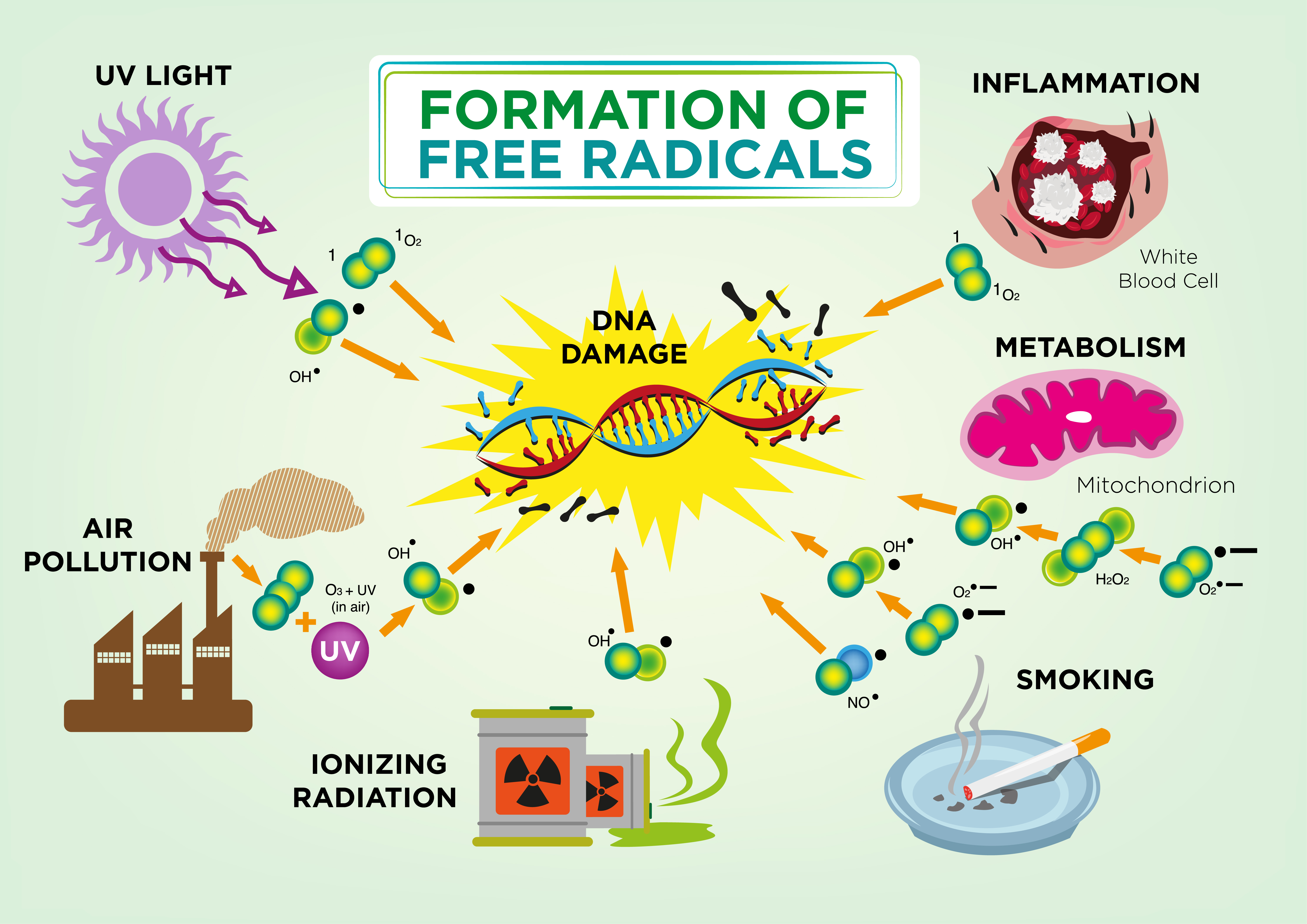
It has been known since 2008 that it is correlated to DNA damage, just like ace-k and saccharin.
DNA damage by thetechjournal.net
It seems like there are as many studies that confirm its safety as there are that prove its detrimental effects. However, a close look to the situation reveals the conflict of interests involved. There are about 166 studies relevant to human safety from which 74 were funded by the NutraSweet industry. All those 74 studies confirmed aspartame's safety. On the other hand, 92% of the independent studies concluded that this sweetener is a potential health risk.


Saccharin:

thedelicioustruth.blogspot.com
It was discovered in 1879 during a researcher on coal tar derivatives. Its sweetness is 350 greater than that of sugar and you can find it under the names of Sweet Twin, Sweet'N Low, and Necta Sweet. It was banned in 1977 after it was linked to bladder cancer in mice. Nevertheless, Congress reapproved its use as long as foods had a warning label. In 2010, it was removed from the list of cancer-causing chemicals of the U.S. Department of Health and Human Services and Congress quit the warning.

According to the FDA, beverages are not to exceed 12 mg per fluid ounce; processed food, cannot exceed 30 mg per serving and the acceptable daily intake (ADI) is 5 mg per kg of body weight.

Saccharin produces urinary bladder cancer in mice, rats and most likely in humans, being males more susceptible than females. The malignancy and frequency of the tumors increase if the subject is exposed starting as a fetus. It also causes chronic renal disease in rats. The risk for urinary bladder cancer in humans spikes with frequency and duration of saccharin consumption.

In 2008 saccharin was strongly correlated to DNA damage.

slideshare.net
In 2011, saccharin-fed zebrafish with a high-cholesterol diet (HCD) showed a significant increase in cholesterol levels compared to the zebra-fish group with a HCD but no sweetener in just 12 days. There was also a substantial rise in cholesteryl ester transfer protein (CETP) activity when saccharin was consumed. This protein has proatherogenic effects (forms fat plaques in your arteries) as it exchanges  HDL ''good'' cholesterol for LDL ''bad'' cholesterol.

A 2013 study revealed that mice with identical caloric intakes gained more weight when consuming aspartame or saccharin instead of sucrose (sugar).

Last year, it was proven that both aspartame and saccharin undermine the beneficial effects of HDL ''good'' cholesterol by reducing its antioxidant capacities and promoting atherogenesis, which is the formation of fatty deposits in the arteries. They were proved to be detrimental for human circulation and embryonic development

Sucralose

Sucralose was approved as a general-purpose sweetener in 1999 and the FDA set the acceptable daily intake (ADI) for sucralose at 5 mg per kg of body weight.
consciouslifenews.com
It was initially advertised as being made from sugar but it is a synthetical compound 600 times sweeter than table sugar. The suffix -ose is used for sugars but, although the starting product is sugar, it is chemically altered with other compounds, like chlorine, until it is nothing like the former. In fact, it should have been named trichlorogalactosucrose if it were not for the FDA, which did not believe it necessary (probably because that name would have dissuaded most people from buying it).

stepintomygreenworld.com
Sucralose has some calories, but it is so sweet that the amount you would probably use has virtually no caloric content. Nevertheless, Splenda also contains two bulking agents, namely dextrose and maltodextrin, which are carbohydrates with calories. The labelling will probably claim that it is a calorie-free sweetener, but one cup contains 96 calories. This information can be misleading and pose a health problem for diabetics and people who are trying to lose weight. Moreover, a 2011 study showed that sucralose does not reduce appetite, which can lead to overeating and all the health issues it entails (diabetes, obesity...).

Since the date of its approval the has objected to its use because of a rat study that showed premature shrinkage of the thymus, a gland of the immune system. Furthermore, the fact that chlorine is one of its components raises a health concern as this chemical is a known carcinogen used in pesticides, poisonous gas, plastics and disinfectants.

healthcenter.ucsc.edu
Symptoms of its exposure may include gastrointestinal issues like bloating, gas, diarrhea, or nausea; skin irritation including rash, urticaria, redness, itching, and swelling; nasal problems such as wheezing, coughing, and rhinorrhea; and psychological issues like anxiety, chest pain, palpitations, anger, changes in mood, depression.

A 12 week 2008 study on male rats proved that Splenda has a plethora of health issues, including acidification of the feces, reduction in the beneficial fecal bacteria and impairment in the bioavailability of oral prescription medications.  Sucralose, at doses even lower than the acceptable daily intake (ADI), was shown to reduce gut flora by more than 50%. Furthermore, the proportion of beneficial bacteria like lactobacilli and bifidobacteria diminished significantly in comparison to pathogenic bacteria such as enterobacteria. Three months after the trial, the adverse effects of sucralose had not been reversed. This changes in gut bacteria could derive in many health problems, including inflammatory bowel disease (IBD), hindered body weight regulation and altered drug absorption. A 2012 study showed a remarkable correlation between IBD in several regions throughout the globe and use of sucralose and saccharin.

geneticliteracyproject.org
In 2012, an Italian laboratory announced a mice study that revealed that sucralose caused leukemia when exposure to the sweetener began in the womb.

In 2013, a review of a vast number of sucralose studies exposed its major health issues including:

organsofthebody.com
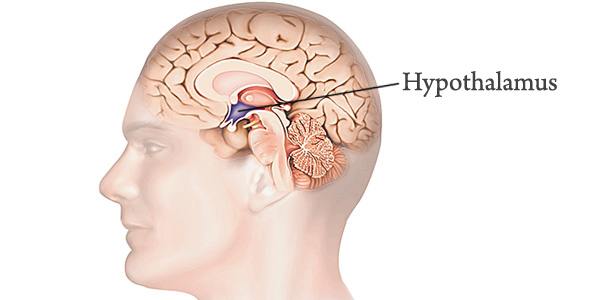
It impairs normal body weight regulation in both humans and animals by interfering with sweet taste receptors in the gastrointestinal tract, increasing insulin secretion and modifying the sweet receptor expression in the hypothalamus, the part of the brain that regulates basic functions like hunger. Sucralose has been shown to increase blood sugar and insulin levels, which in turn produce diabetes.

It has been generally believed that sucralose is not absorbed by the body, but directly excreted through the feces while the small amount that reaches the blood is removed through urine unchanged. However, some studies have detected products of its metabolism in the feces and urine of humans and animals, the consequences of which remain unknown. The bioaccumulation of sucralose or its metabolites could have adverse effects.

Long-term ingestion of sucralose is potentially toxic due to several reasons:

First of all, it has been found to be a mutagen, an agent that damages your DNA and produces negative epigenetic alterations. This DNA damage also occurred in the gastrointestinal tract of the mice. 
ivao.com
Supposedly, sucralose does not decompose when exposed to high temperatures and it is therefore commonly used in baking. Well, five independent studies, the oldest of them dating back to 1996, revealed that sucralose breaks down with high temperatures into chloropropanols, a human carcinogen and extremely genotoxic compound;  1,6-DCF;  and dioxins, which, according to the World Health Organization are ''highly toxic and can cause reproductive and developmental problems, damage the immune system, interfere with hormones and also cause cancer''.

References and recommended reading

Abou-Donia M. B., El-Masry E. M., Abdel-Rahman A. A., McLendon R. E., Schiffman S. S. Splenda alters gut microflora and increases intestinal P-glycoprotein and cytochrome P-450 in male rats. J. Toxicol. Environ. Health A. 2008;71:1415–1429. Web. 5 Jan. 2016.

Andreatta MM, Muñoz SE, Lantieri MJ, Eynard AR, Navarro A"Artificial Sweetener Consumption and Urinary Tract Tumors in Cordoba, Argentina." National Center for Biotechnology Information. U.S. National Library of Medicine, 1 July 2008. Web. 3 Jan. 2016.

Bandyopadhyay, Atrayee, Sarbani Ghoshal, and Anita Mukherjee. "Genotoxicity Testing of Low-Calorie Sweeteners: Aspartame, Acesulfame-K, and Saccharin." Drug and Chemical Toxicology 31.4 (2008): 447-57. Web. 4 Jan. 2016.

Burke, Mary V., and Dana M. Small. "Physiological Mechanisms by Which Non-nutritive Sweeteners May Impact Body Weight and Metabolism." Physiology & Behavior 152 (2015): 381-88. Web. 6 Jan. 2016.

Feijó Fde M, Ballard CR, Foletto KC, Batista BA, Neves AM, Ribeiro MF, Bertoluci MC. "Saccharin and Aspartame, Compared with Sucrose, Induce Greater Weight Gain in Adult Wistar Rats, at Similar Total Caloric Intake Levels." National Center for Biotechnology Information. U.S. National Library of Medicine, 2013. Web. 3 Jan. 2016.

Ford, H E, V. Peters, N M Martin, M L Sleeth, M A Ghatei, G S Frost, and S R Bloom. "Effects of Oral Ingestion of Sucralose on Gut Hormone Response and Appetite in Healthy Normal-weight Subjects." European Journal of Clinical Nutrition Eur J Clin Nutr 65.4 (2011): 508-13. Web. 6 Jan. 2016.

Jang, Wookju, Nam Ho Jeoung, and Kyung-Hyun Cho. "Modified Apolipoprotein (apo) A-I by Artificial Sweetener Causes Severe Premature Cellular Senescence and Atherosclerosis with Impairment of Functional and Structural Properties of ApoA-I in Lipid-free and Lipid-bound State." Mol Cells Molecules and Cells 31.5 (2011): 461-70. Web. 4 Jan. 2016.

Kim, Jae-Yong, Juyi Seo, and Kyung-Hyun Cho. "Aspartame-fed Zebrafish Exhibit Acute Deaths with Swimming Defects and Saccharin-fed Zebrafish Have Elevation of Cholesteryl Ester Transfer Protein Activity in Hypercholesterolemia." Food and Chemical Toxicology 49.11 (2011): 2899-905. Web. 4 Jan. 2016.

Kim, Jae-Yong, Ki-Hoon Park, Jihoe Kim, Inho Choi, and Kyung-Hyun Cho. "Modified High-Density Lipoproteins by Artificial Sweetener, Aspartame, and Saccharin, Showed Loss of Anti-atherosclerotic Activity and Toxicity in Zebrafish." Cardiovasc Toxicol Cardiovascular Toxicology 15.1 (2014): 79-89. Web. 4 Jan. 2016.

Olney JW, Farber NB, Spitznagel E, Robins LN."Increasing Brain Tumor Rates: Is There a Link to Aspartame?" National Center for Biotechnology Information. U.S. National Library of Medicine, 1996. Web. 3 Jan. 2016.

Reuber, M D. "Carcinogenicity of Saccharin." Environ Health Perspect Environmental Health Perspectives 25 (1978): 173-200. Web. 3 Jan. 2016.

Schernhammer, E. S., K. A. Bertrand, B. M. Birmann, L. Sampson, W. C. Willett, and D. Feskanich. "Consumption of Artificial Sweetener- and Sugar-containing Soda and Risk of Lymphoma and Leukemia in Men and Women." American Journal of Clinical Nutrition 96 (2012): 1419-428. Web. 3 Jan. 2016.

Schiffman, Susan S., and Kristina I. Rother. "Sucralose, A Synthetic Organochlorine Sweetener: 
Overview Of Biological Issues." Journal of Toxicology and Environmental Health, Part B 16.7 (2013): 399-451. Web. 5 Jan. 2016.

Soffritti M, Belpoggi F, Tibaldi E, Esposti DD, Lauriola M "First Experimental Demonstration of the Multipotential Carcinogenic Effects of Aspartame Administered in the Feed to Sprague-Dawley Rats." Environ Health Perspect Environmental Health Perspectives 114.3 (2005): 379-85. Web. 3 
Jan. 2016.

Soffritti M, Belpoggi F, Tibaldi E, Esposti DD, Lauriola M. "Life-Span Exposure to Low Doses of Aspartame Beginning during Prenatal Life Increases Cancer Effects in Rats." Environ Health Perspect Environmental Health Perspectives 115.9 (2007): 1293-297. Web. 3 Jan. 2016.

Monday, December 28, 2015

Are potatoes deadly poisonous?!

Potatoes already have a well-deserved reputation as a fattening food but, are they also toxic?

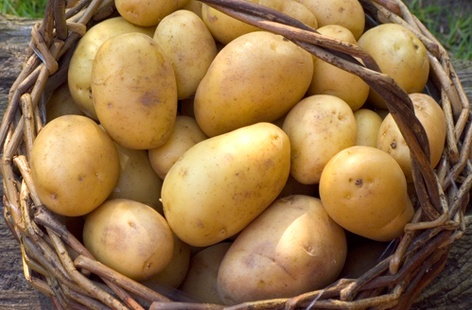
Photo credit: realfood.tesco.com
It is no surprise the fact that potatoes are associated with overeating, diabetes, obesity and heart disease1 given their high glycemic load. This means that they spike your blood sugar and insulin to rapidly plunge it down, making you feel hungry just after eating. What is not so well-known is that their glycoalkaloid content can be extremely harmful and acutely toxic to humans.


Glyco... what??

Glycoalkaloids are a natural-occurring pesticide that some plants produce in order to protect themselves when attacked by fungi, viruses, bacteria or insects. There are several types but the main ones found in potatoes are a-solanine and a-chaconine. There are two mechanisms by which they impair your health:

Firstly, they disrupt your epithelial barrier as they breach your cells by attaching to their cholesterol membranes. This could be detrimental to your mucosal immune system and your intestine, worsening or/and leading to conditions such as inflammatory bowel disease (IBD).2,3

Photo credit: hexpek.blogspot.com


Photo cred: Elite Nootropies


Secondly, they are neurotoxins that hinder your body's capacity to regulate acetylcholine. This is a crucial neurotransmitter that sends nerve impulses from motor neurons to skeletal muscles activating muscle action. Glycoalkaloids stop the enzyme cholinesterase from breaking down acetylcholine, leading to an accumulation of the neurotransmitter and an overstimulation of the cells. As a result, you get a plethora of unpleasant symptoms which include4:

  • Convulsions
  • Delirium
  • Diarrhoea
  • Dilated pupils
  • Fever
  • Hallucinations
  • Headache
  • Loss of sensation
  • Hypothermia
  • Paralysis
  • Shock
  • Slow pulse
  • Slowed breathing
  • Abdominal pain
  • Vision changes
  • Vomiting
  • Nausea
  • Fatigue
  • Death

Not only are glycoalkaloids responsible for acute toxicities but they can also accumulate in body tissues, especially in the liver, kidneys, heart, lungs, and brain.

In spite of the detrimental effects this chemical has, the oral toxicity is relatively low because of their poor absorption. Provided you have a healthy gastrointestinal tract, the solanine will be eliminated through the urine and faeces within 12 hours while your gut microbiome detoxifies your system by converting the toxin into solanidine, a less harmful compound6.

Food safety

Photo credit: www.riken.jp
Human studies have shown that even 1mg of glycoalkaloid per kg of body weight can be noxious whereas 3 mg/kg might be deadly. The safety limit for glycoalkaloid content is about 20 mg per 100 g (<0.25Ib.) of potato. The peel (3 to >100mg/100g) contains 3 to 10 times more glycoalkaloids than the flesh (0.10 to 4.50 mg/100g).  Therefore, if you are going to consume potatoes you can dramatically reduce the toxic content just by peeling it. Avoid by all means eating the sprouts, any green area or unripe potatoes as they contain hazardously high amounts of the toxin.

Photo credit:www.radacutlery.com
Storage conditions, namely light and heat, influence solanine concentrations. Try to keep them in a dark and cool place as light increases the synthesis of solanine by 20% , while temperature can do the same (at 24°C/75°F the rate of formation is 2 times greater than at 7°C/45°F).5

Unfortunately, the toxic content is not significantly lowered by any means of cooking. In fact, studies have shown that frying concentrates glycoalkaloids.3

Other related foods7

Photo credit: www.mirror.co.uk
Potatoes are part of the Nightshade (Solanaceae) Family which were not considered fit for human consumption before the 1800's given the toxicity of some varieties like the atropa belladonna (deadly nightshade). Other members of this family include tomatoes and eggplant.

Are they also poisonous? Not really or, at least, not as much:

Tomato glycoalkaloid levels drop drastically when ripen going from around 50 mg/100g in green tomatoes to about 0.5mg/100g in red tomatoes, making potatoes 20 times more toxic. There has not been conducted any human study, but the median lethal dose in rodents is 500mg per kg of body weight.
Photo credit: www.gardeningknowhow.com

Eggplants are considerably safer than potatoes as their solanine content goes from 1 to 2mg/100g. As with the tomatoes, I do not know about any human study but, in rodents, the median lethal dose is 1.75 mg per kg of body weight.


Nightshade sensitivity is a whole other topic that I will address in a forthcoming post.


References and recommended readings

1. "The Problem with Potatoes." The Nutrition Source. Harvard T.H. Chan School of Public Health, 24 Jan. 2014. Web.

2. Iablokov V, Sydora BC, Foshaug R, Meddings J, Driedger D, Churchill T, and Fedorak RN. "Naturally Occurring Glycoalkaloids in Potatoes Aggravate Intestinal Inflammation in Two Mouse Models of Inflammatory Bowel Disease." National Center for Biotechnology Information. U.S. National Library of Medicine, Nov. 2010. Web.

3. Patel B, Schutte R, Sporns P, Doyle J, Jewel L, and Fedorak RN. "Potato Glycoalkaloids Adversely Affect Intestinal Permeability and Aggravate Inflammatory Bowel Disease." National Center for Biotechnology Information. U.S. National Library of Medicine, Sept. 2002. Web.

4. "Potato Plant Poisoning - Green Tubers and Sprouts: MedlinePlus Medical Encyclopedia." Medline Plus. U.S. National Library of Medicine, 21 Oct. 2013. Web.

5. Cantwell, Marita. "A Review of Important Facts about Potato Glycoalkaloids." Agriculture and Natural Resources. University of California, Aug. 1996. Web.

6. Montario, Andrew. "Potato Glycoalkaloid Toxicity: Solanine." Safe Spectrum Lighting. Cornell University. Web.


7. Ede, Georgia. "How Deadly Are Nightshades?" Diagnosis: Diet. 6 Jan. 2013. Web.